


Minnesota homeowners selling rent-to-own homes have a unique opportunity. This is a new way to sell your house. Buyers can become full owners, and you get rental income. Lease options are becoming more and more popular in the busy Twin Cities and surrounding areas. Once you understand the main steps and rewards of this technique, you can easily go through it and get a good deal in a competitive market. In this fast-changing business, learn what’s most important in making a rent-to-own transaction successful.
Understanding Rent-to-Own in Minnesota
Minnesota homeowners have a great option to sell their homes with rent-to-own arrangements, especially in the Twin Cities and other areas with rental options. These contracts benefit both parties for renter buyers to become home owners. You have to understand leasing options, as they are not the same as other options to rent or sell. Sellers need to understand rent-to-own and how it is different than a lease prior to entering into the contract. This will help them align the option with their property goals.
The Basics of Rent-to-Own Transactions
In a rent-to-own deal, you first sign a lease. Here, the tenant buyer rents for a certain period of time, then is able to buy the home. The lease ends normally when the tenant vacates. Rent, in this case, might be used as a housing deposit. The option agreement is important because it establishes the sale price and time frame. This concept works well in Minnesota because it offers flexible buying conditions that help sellers find more buyers. Since the home can be inspected before the lease is signed, it is a safer purchase for tenant buyers. Minnesota sellers can make money selling a house without a formal transaction. Know these rules to make the most of rent-to-own options.
Key Differences Between Rent-to-Own and Traditional Leasing
Also, rent-to-own is not the same as leasing. Goals. Renters usually move to a new apartment when the lease expires. The rent-to-own is to buy a home. The tenant buyer has the legal right to buy the house, but is not obliged to. Unlike leases, the rent-to-own contracts have an option cost to purchase the property. These deals often come with rent credits. Part of the rent is towards the cost of the house. This is a win-win situation for both buyer and seller. This allows the seller to remain in the property until the sale and the buyer to save for a down payment. Knowing these key differences is how Minnesota sellers can develop a winning selling plan.
How Rent-to-Own Works in the Twin Cities
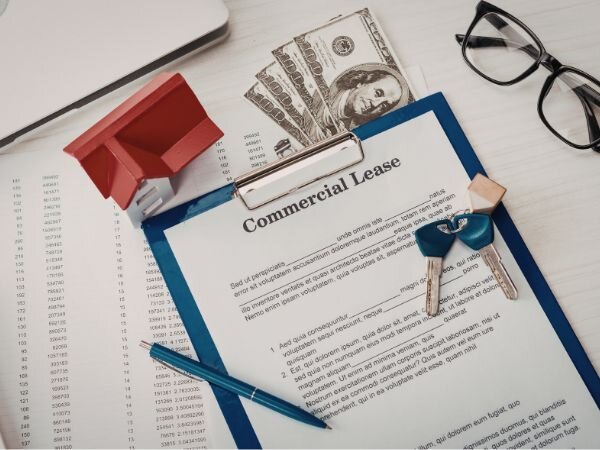
Sellers can change the titles by offering different leasing options. And they’re using rent-to-own deals to do that. This unique concept will attract tenant buyers who would like to buy a home in the future. It gives you the best of both worlds, renting and owning. Understanding the regional pros and cons of this purchase is a necessary ingredient in the active Minnesota real estate market. Better financing, contracts, and the perks of living here will put sellers in a better position to negotiate rent-to-own deals.
Regional Benefits of Rent-to-Own
The Twin Cities offer unique rent-to-own perks. This can make owners’ homes more appealing to buyers and guarantee continuous rental income through a lease that leads to a sale. This deal may help people who want to buy a home but can’t get a loan in the Twin Cities’ competitive real estate market. Lease options allow tenant buyers to lock in market conditions, which is great if property values rise. Another benefit is that sellers can sell their residences faster. This arrangement can attract new clients, especially those looking to migrate. Lease options let sellers pay property bills and maintain cash flow until the deal is official. Rent-to-own can shift the game in terms of attraction and lease value.
Challenges Unique to the Twin Cities Market
Rent-to-buy in Minnesota has pros and cons. The competitive community may make it impossible for tenant buyers to get a reasonable price on a house. Sellers must be careful when creating lease agreements and option contracts to attract serious bidders. Compliance with Minnesota’s property regulations might also hinder purchases. You must know tenants’ rights and sellers’ duties. Financing isn’t always available, making it challenging for customers with changing credit to get new loans. Sellers should also examine what could happen if a tenant buyer doesn’t get financing at lease end. Addressing these issues upfront and in lease and option agreements can help you close rent-to-own arrangements in a shifting market while reducing risks.
Minnesota Law and Its Impact on Lease Agreements
Sellers considering rent-to-own agreements should research Minnesota legislation. Under the Twin Cities, state laws safeguard renters’ rights and sellers‘ duties under rental agreements. Sellers should understand the legal issues affecting the option agreement and ensure tenants comply. Following Minnesota’s contract requirements will streamline the arrangement. Making equitable contracts protects sellers and gives tenants clarity. Let’s discuss legal issues and how to ensure these trades are legal.
Legal Considerations for the Option Agreement
Know Minnesota law before making a rent-to-own deal. This contract usually includes option fees, purchase terms, and schedules that follow state rental laws. The option fee, which protects the tenant’s right to buy the property, must be clearly stated. Selling parties must clearly state their rights and responsibilities, including the price and terms under which the tenant can buy the property. Avoiding fights requires being clear about what happens if the tenant doesn’t want to buy. Following Minnesota’s contract requirements protects sellers legally and protects tenant rights during rent-to-own. This builds trust and prevents legal issues.
Ensuring Tenants Meet Legal Requirements
Minnesota rent-to-own tenants must meet all legal requirements. The state requires careful review of the tenant’s eligibility and tenancy terms before signing the lease. The seller should verify that the buyer can afford rent and ownership. This includes reviewing the renter buyer’s credit history and making sure they know how to maintain the property and pay rent. Minnesota law requires all money negotiations and arrangements, including rent credits and option payments, to be written down to protect the seller and tenant. Keep detailed records of what sellers want from tenants to avoid legal issues and ensure the tenant buys the property. Following these legal standards can help rent-to-own agreements function successfully for both parties.
Preparing Your Property for a Rent-to-Own Sale
Selling your house rent-to-own in Minnesota requires more than a lease option agreement. The home must appear beautiful to stand out in the city’s competitive market and attract buyers. Make your property more marketable by improving its features and fixing problems. Sellers may ensure their items meet buyers’ expectations and secure a good lease arrangement by considering these factors. This will help you sell. How to make your home more attractive and restore it. Whether your property is in Minneapolis, St. Paul, or the surrounding area, you can successfully sell your home using a rent-to-own strategy.
Enhancing Property Appeal to Potential Buyers
Make the house seem better to attract rent-to-own buyers. First impressions are crucial since exterior changes might affect how buyers view a home. You might paint the house again, landscape it, and remedy any obvious issues like broken fences or walkways. The interior should be neutral but appealing so buyers may imagine living there. Clean, scented, and uncluttered spaces appear great. Sellers must make the home appealing so tenants can imagine renting and owning it. To capitalize on Minnesota’s desirability, highlight a house’s energy efficiency or proximity to Twin Cities amenities. These processes can improve the property’s appearance, increasing the likelihood of a lease option agreement and sale.
Necessary Improvements and Maintenance Tips
Being ready to rent-to-own a house in Minnesota requires making the necessary improvements. Sellers should have a plan for how their changes look and work. Start by inspecting the entire house for plumbing, electrical, and roof issues. First, do some modest things to make the house look its best and avoid turning off potential buyers. Updating appliances and fixtures regularly boosts home value and makes buyers feel better about its condition. You should document repairs and improvements so potential renters or buyers can see them and trust you. Sellers undertake repairs to keep the property in good condition and attract rent-to-owners. This proactive strategy finds a trustworthy tenant buyer willing to assume full ownership, making the lease fair for everyone.
Setting the Right Asking Price and Option Fees
Finding the correct rent-to-own asking price and option fees is critical in Minnesota’s competitive real estate market. Sellers must evaluate all price factors to find the proper tenants. Understanding option costs will also improve the rent-to-own transaction. These factors affect short-term profitability and long-term lease option process performance.
Factors to Consider When Pricing Your House
In a rent-to-own deal, you must carefully consider many factors to price your home. The property’s market value is vital for setting pricing expectations. Sellers might look at Twin Cities and other house sales to determine comparable prices. The property’s condition greatly affects its worth; any repairs or renovations should be carefully considered. Consider how the property’s value could rise. This may attract a long-term tenant buyer who is willing to pay more than you are asking. Consider how much buyers can afford and the credit market. Make sure the price matches alternative financing options. These factors help sellers set a reasonable, enticing rent-to-own price that protects buyers. In addition to rent-to-own housing price factors, consider these strategic pricing suggestions:
- Monitor neighborhood activity to predict property value changes.
- Check market seasonality to determine the best listing time.
- Alter the house’s competitive attributes.
- Set pricing so you may adjust it.
- Consider the tenant’s creditworthiness while pricing.
- Consider similar listings for sale.
- Consider local economic conditions that affect homebuyers.
These recommendations may help you price your home fairly and attractively.
Understanding and Applying Option Fees
Non-refundable option fees allow the buyer to buy the house at the end of the lease, making them an important feature of a lease purchase deal. Minnesota sellers must understand how important these fees are. Option fees are usually 1% to 5% of the property’s price and demonstrate the tenant buyer’s commitment. Most crucial is finding a buyer-seller-friendly choice fee. The price should be low enough for buyers to afford and high enough for sellers to feel secure. Sellers can avoid dangers by carefully using option fees to keep the money if the customer doesn’t use their purchase option. If the acquisition goes through, accurate records of how option money is used to lessen the purchase price would build trust and openness. If option fees are set and used properly, sellers and renters will benefit.
Incorporating Rent Credits into Contracts
Rent credits in rent-to-own contracts benefit buyers and sellers. Due to rent credits, tenant buyers can utilize a portion of their monthly payments to buy the home. This method may increase contract appeal, prompt serious bids, and speed up the selling process in Minnesota’s competitive market. Let’s discuss rent credits in lease agreements’ pros and cons and how to calculate them. We’ll also discuss how they satisfy both parties.
Benefits of Rent Credits for Both Parties
Rent credits are great in leases because they have many benefits. Rent credits can be used by tenant buyers to convert some of their monthly rent into equity towards buying a home. This plan allows buyers to save up for a down payment over time, making it easier to apply for the loan. “Leaseholders feel they own the property and want to take care of it while they build equity in the course of the lease.” The sellers don’t want to have to resell, so they want renters that are more likely to buy. Rent credits can help make the home more marketable in areas with a lot of homes for sale, such as the Twin Cities. This raises buyer interest. This is a win-win transaction, as it provides money and helps both parties achieve their long-term goals with rent-to-own.
How to Calculate and Apply Rent Credits
If you want to calculate and apply rent credits, you need to know the legal and financial obligations of a rent-to-own contract. Often, rent credits include ownership of the property in the monthly rent. Figure out how much you need by researching the market value of the property and the lease duration. Ensure the buyer can qualify for a loan for the amount. If they back out, buyers need to be sweetened with enough credits without hurting revenues. To do it right, you need to figure out the terms of the lease agreement, including how much of each payment goes toward equity and what happens if you don’t exercise the lease option. This is in the contract and protects everyone and builds trust. Smart use of rent credits is a good way to attract serious buyers and make buying a home easier, increasing the likelihood of a sale when the lease expires.
Ensuring Tenants Maintain Your Property
When you sell your Minnesota house using a rent-to-own deal, particularly in the Twin Cities, tenants must maintain it. Leases create ownership. The renter and the seller both benefit from the property being in good condition. The main thing is to show that the tenant is responsible and reward them for taking good care of the property. These strategies help protect your investment and may even encourage tenants to buy rather than rent. Let’s discuss how to make tenants responsible for property maintenance.
Strategies for Tenant Accountability
Check your lease to see who is responsible for maintenance. Tenant accountability is helped with this. The contracts should specify which housecleaning each person will do. Spell out your expectations by mentioning particular upkeep duties like lawn mowing, snow shoveling in the winter, and regular cleaning. Make it simple for tenants to complain and get them talking. This proactive approach’s quick fixes cut long-term damage and repair costs. Some agreements may also include regular inspections of the property to keep you informed of progress. If you want a good relationship with your tenants, be considerate and fair. You make the accountability clauses in your contract clear to tenants that they are responsible for the care of the property. This makes them agree to a rent-to-own contract.
Incentives for Proper Property Maintenance
Incentivized property maintenance may be easier. Incentives encourage and compensate renters for timely and accurate maintenance. Good upkeep can be turned into home equity by giving tenants rent credits for good repair. Renters who want to buy a house like these credits because they lower the house’s price. Consider providing tenants with bonuses for accomplishing more than the basic maintenance. This could involve making minor cosmetic changes or paying utility bills for a set time. These tactics ensure that renters’ property buying goals match theirs, which benefits both parties. These benefits keep the property in great repair and make tenants feel like they own it. This proactive strategy can assist rent-to-own tenants in making the transfer easier.
Handling Contracts and Legal Documentation
Minnesota rent-to-own arrangements are complicated, so be careful with contracts and other legal documents. Rent-to-own and leasing agreements are key to these collaborations. Pay attention to every detail to protect the vendor and tenant. Knowing common contract mistakes keeps everyone safe and informed. These tips will help rent-to-own sales work smoothly, making everyone feel safer and more comfortable. If you’re looking for a hassle-free way to sell your rent-to-own property, Henry Home Buyer specializes in buying homes across Minnesota with flexible solutions tailored to your situation.
Essential Elements of a Rent-to-Own Contract
Rent-to-own contracts clarify the seller-tenant buyer connection, making them important. Each contract component must be considered. Minnesota contracts usually include a property description, lease length, and option agreement details. The lease should specify the tenant’s purchase price. This protects both parties from market changes. Option fees, which offer tenants the right but not the obligation to buy the house at the end of the lease, are crucial to rent-to-own arrangements. Explain rent credits, including how much of each monthly payment contributes toward the final purchase. These characteristics ensure that tenant buyers are clear and committed, so the house can be sold after the lease ends. Written contracts meet Minnesota’s contract standards and make it easier for tenant buyers to become homeowners. This makes the lease beneficial to both parties.
Common Pitfalls in Contract Preparation
Minnesota rent-to-own transactions require planning to avoid typical mistakes that could ruin the agreement. One major issue is that the option agreement doesn’t specify what the buyer must do to use this right and when. Clarity in contracts is particularly important because option fees and rent credits might generate issues. The lease agreement must also clearly state the buyer’s obligations, such as maintaining the property. Not defining what the seller is liable for makes it impossible to determine who is responsible for repairs and enhancements. Bad wording can make rent-to-own transactions confusing and lead to legal issues that affect both parties. Sellers can make rent-to-own more secure and effective by clearly and well-organized contracts that cover these concerns. This simplifies the homebuying process.
What If a Tenant Buyer Is Unable to Qualify?
Rent-to-own arrangements provide Minnesota tenant buyers more options and rewards, but some may not be able to get a mortgage after their lease ends. Buying or renting doesn’t have to end here. The seller can stay financially stable, and the tenant buyer can explore alternative possibilities and review the option agreement. Knowing and employing these options can help a tenant buyer handle financial issues.
| Alternative Options | Benefits for Tenant Buyers | Seller Considerations |
| Lease Extension | Provides extra time to improve credit score | Opportunity to secure committed buyers |
| Owner Financing | Direct negotiation with the seller | Potential for increased return on investment |
| Credit Repair Partnership | Improves mortgage qualification chance | Potential for quicker sale finalization |
| Co-Signer Inclusion | Strengthens the financial profile | Reduced risk of buyer default |
| Shared Equity Agreement | Reduces initial financial burden | Possibility of shared property appreciation |
This table highlights various solutions to maintain and optimize rent-to-own agreements when traditional mortgage financing is not immediately available in Minnesota.
Alternative Options for Tenant Buyers

A tenant buyer who can’t secure a mortgage may be able to locate additional money to keep the rent-to-own transaction going. Extending the lease gives the renter more time to improve their credit and finances. Sellers may provide renter buyers with credit repair options or help during this time. You could also adjust lease purchase terms. Sellers could cut the home’s price or increase rent credits to make it more affordable. You can sublease the home, which means the seller allows the original tenant to rent it to someone else while keeping the option arrangement. The seller will still profit because the renter buyer has more time to get financing while the home is occupied. Carefully considering these alternative financing options can help sellers succeed even if their first plans fail.
Revisiting the Option Agreement
It may be critical to review the option agreement again if one of the tenant buyers cannot get financing. The contract may be changed to reflect the buyer’s financial situation and ability to purchase the property in the future. If the lease agreement is modified to reduce option fees or rent credits, the buyer will be able to qualify sooner. Sellers may be able to negotiate with tenants on the purchase price, the length of the option term, or the terms of the property purchase. Build a tiered credit system to reward tenants paying on time and help them build better credit. You may also review these contracts to ensure that both parties adhere to the Minnesota law that protects and clarifies. The open conversation and rereading of the option agreement can offer the tenant buyer new opportunities, making it easier to compromise.
Pros and Cons of Selling via Rent-to-Own
There are advantages and disadvantages to selling a home with a rent-to-own contract, particularly in the Twin Cities. This approach is loved by such sellers as it gives them a steady stream of income and makes it easier to sell a property. However, it has its drawbacks. These pros and cons should be known to sellers who want the most from a lease option. This strategy will build a loyal consumer base, but you have to think about cash and the law. Rent-to-own for home sellers has both pros and cons, and we’ll discuss them.
Advantages for Home Sellers
Rent-to-own helps homeowners who are selling their houses. You might get monthly rent payments that give you a stable income to pay your mortgage or buy another home. This kind of steady income is great in cities like the Twin Cities, where there’s always change going on. Rent-to-own can help you sell your home to more people, even those with weak credit wanting a loan. This plan will naturally attract buyers who want to buy the home and will likely care for it well. An option agreement can allow sellers to set parameters for property pricing to help insulate themselves from market fluctuations. Lease credits make leases more attractive and encourage tenants to help finance the purchase. These benefits create a win-win situation that often leads to tenant homebuyer closings.
Potential Drawbacks and Challenges
Rent-to-own can be tricky and tough on renters, but it can be good for sellers. The big problem is that the buyer may not get a loan when the lease is up, and the seller is stuck with an occupied apartment. Renter buyers need to be thoroughly pre-screened to cut down on danger. A lease that complies with Minnesota law will protect the seller. This position requires attention to detail for legal documents. Another challenge is fulfilling tenants’ expectations and obligations. Problems can occur if there is no provision for maintenance or payment in the contract. It can be tough for sellers in a hot housing market. But they will not get the full value of the property, and the price to sell was in the contract. To balance out these disadvantages, you’ll want to hire legal counsel and plan on working through the rent-to-own process.
Sellers in the Twin Cities and surrounding areas may wish to consider rent-to-own to maximize property value. By getting more buyers and good terms, you’re selling a house and making a sensible investment. You can relax with this option because it provides a stable rental income and makes selling easier. Consider using tools to design lease restrictions that work for you and tenants who want to buy a property.
What is a rent-to-own agreement in Minnesota?
Minnesota rent-to-own agreements are leases that become contracts. The tenant buyer can rent the property and buy it after the lease expires. You can utilize rent as a house down payment with this arrangement.
How does a lease option differ from traditional leasing?
Renters must leave when leases end. Tenant buyers can buy a home with a lease option. You can buy the house, but you don’t have to.
What are the benefits of rent-to-own for sellers in the Twin Cities?
Regular rental income helps sellers sell their home faster and reach more buyers. This strategy helps people who need a loan and want to sell something.
What legal considerations should sellers be aware of in rent-to-own agreements?
Minnesota sellers must follow property laws and ensure contracts protect their rights and the tenant’s. To avoid legal issues, fully state option prices, purchase terms, and duties.
What challenges might sellers face in a rent-to-own transaction?
Sellers may face funding challenges, legal issues, and competition at the end of the lease. To overcome these challenges, you require extensive background checks and unambiguous contracts.
Helpful Minnesota Blog Articles