
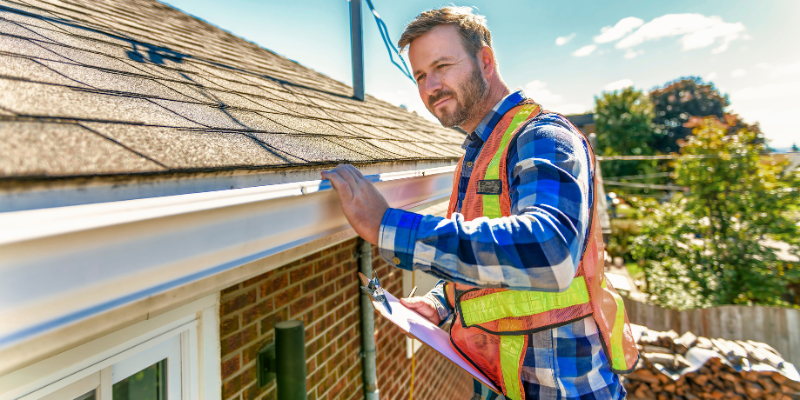
When your Minnesota buyer needs a loan, the lender will call for an appraisal before approving the mortgage. If problems are found during the appraisal, repairs may be required. A home inspection before listing catches most of these issues first.
In this article, we’ll walk you through what an appraisal is, why repairs come up after one, and what you can do to avoid the hassle of appraisal-required repairs in Minnesota.
What is an Appraisal?
A real estate appraisal is a normal part of the home sale transaction. Sellers, buyers, and lenders all use it for a neutral, professional estimate of a property’s value. During a sale, your buyer’s lender will typically require it to ensure the mortgage amount is supported by the home’s market value. According to the Minnesota Department of Commerce, a licensed professional must conduct the appraisal. They look at the property’s condition, size, location, market trends, and comparable sales in your neighborhood to determine a fair market value.
If you want to avoid appraisal concerns altogether, Henry Home Buyer can make a cash offer on your home. Because cash purchases do not require mortgage financing, there is often no lender-mandated appraisal, helping simplify the sale process and reduce potential delays.
The Difference Between an Appraisal and a Home Inspection
The key difference between an appraisal and a home inspection is their end goal.
According to the Appraisal Institute, an appraisal establishes a home’s market value. The appraisal report is independent and unbiased, benefiting both buyers and sellers. If you’re a buyer, it assures you that the home you’re eyeing is selling for a fair and accurate price. If you’re a seller, it helps you set your asking price and guides you on upgrades that could increase your home’s value. If you’re a homeowner just looking to refinance or get a reverse mortgage, the home appraisal process will help determine your equity.
A home inspection assesses the property’s structural integrity, identifies detailed issues, and flags safety concerns, but does not provide a market value.
Another difference is who asks for it. Lenders require appraisals, and buyers arrange inspections to make sure they aren’t buying a home with hidden problems.
If you want to avoid appraisal requirements, lender delays, and inspection contingencies, contact us for a fair cash offer. We buy homes as-is and can provide a fast, straightforward sale on your timeline.
Does the Buyer’s Lender Decide Which Repairs are Required After the Home Has Been Appraised in Minnesota?
If your buyer needs a loan to fund the purchase, the lender will require a mortgage appraisal. The lender has a say in which repairs are required before they finance the home purchase. This is because the property must meet minimum property standards.
Minimum Property Standards

Standard and government-backed loans have different minimum property standards because their appraisals focus on different criteria. Standard loan appraisals assess the property’s current condition and market value. Government-backed loan appraisals go a step further and also check the property’s safety.
Minimum property standards protect both buyers and lenders. For buyers, they’re assured that the house they’re buying is safe, move-in ready, and doesn’t require repairs that would drain their bank account. For lenders, they won’t have a hard time selling the property to recover what they had lent out if the buyer defaults on the loan. A cash-for-houses company in Farmington and other Minnesota cities may offer an alternative for homeowners whose properties don’t meet these traditional lending standards.
The property must be a finished home, free of health hazards and safety issues. With loans like VA, USDA, and FHA, the rules are much stricter. For example, Minnesota homes that need major work often won’t qualify for FHA loans. This is because a property financed by an FHA loan must meet safety, security, and soundness standards.
FHA Minimum Property Standards
According to the U.S. Department of Housing and Urban Development (HUD), an FHA-financed Minnesota property must pass the following checks:
Safety
The home must be free from anything that threatens the health and safety of the people who live there. There must be no:
- pest or mold issues
- asbestos
- chipping or peeling paint (lead-based paints)
Beyond what’s listed above, working plumbing, electrical, and HVAC systems also fall under the safety on the FHA inspection list. The home also needs proper airflow in crawl spaces and attics, full railings on stairs, and access to drinkable water at all times.
Security
For a property to be considered secure, it must have doors and windows that can be locked. Fences aren’t required, but they add extra protection.
Soundness
Soundness means the home’s structure is solid, with no major issues in the roof, walls, or foundation.
If the property fails any of the items on the FHA appraisal checklist, the appraiser may flag the need for repairs. These must be completed to bring the property up to FHA standards. If the repairs are too costly or you prefer not to make them, your buyer’s loan may be denied. In this situation, working with cash home buyers in Minnesota can be an alternative, as cash buyers typically purchase properties as-is without FHA appraisal repair requirements.
Top Required Repairs After Your Minnesota Home Has Been Appraised
Minnesota lenders require these repairs to be done after an appraisal, so they are not lending more than the home is worth. If the repairs aren’t completed, the sale will likely fall through with a financed buyer:
Presence of Lead, Mold, and Asbestos
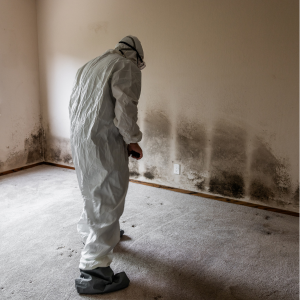
If your Minnesota home was built before 1978, there’s a good chance that it contains both lead-based paint and asbestos. Since it’s on the older side, mold is likely to be present due to moisture damage. All three pose a health hazard, so they are often at the top of the list of appraisal-required repairs.
Average estimated cost:
Lead paint removal: $2-$6 per square foot
Mold removal: $2,368
Asbestos abatement: $2,248
Roof Age and Condition
The climate in Minnesota swings between frigid winters and hot summers, making your roof your primary shield. If it’s worn or damaged, buyers may see it as a major concern; some may request price reductions or repair credits, while others may walk away. It’s best to fix roof issues before listing. If you’d rather avoid costly repairs, you can sell your house for cash in Saint Paul and surrounding Minnesota cities, allowing you to sell the property as is without roof repairs or buyer demands.
Average estimated cost:
Replacement on a 2,000 sq. ft. house: $15,400 to $20,500 for asphalt shingles; up to $85,000 for slate roofing
Repair: $450 to $2,400 based on the roofing type
Condition of the Stairs
Loose railings, unsecured stair treads, and damaged or missing stair parts present a falling hazard to the people in your Minnesota home.
Average estimated cost:
Remodeling: $2,051
Railing replacement: $750-$8,500 based on the material
Damaged Foundation
A cracked foundation can let water from the soil seep in. Over time, this damages the home’s structure. If addressed early, you can avoid bigger issues and costly repairs. Otherwise, you’ll have a hard time selling the home. A damaged foundation can easily be deemed unacceptable by your buyer’s Minnesota appraiser.
Average estimated cost:
Foundation repair: an average of $5,175, with most jobs running $2,225 to $8,133
Electrical Systems

If your breakers trip often for no clear reason, or there are exposed wires around the home, you’ll want to call an electrician.
Average estimated cost:
Electrician: $45-$95 per hour
Rewiring: up to $9,300
Plumbing and HVAC Issues
Your buyer may not be able to secure a loan if the house has major plumbing or HVAC issues and requires extensive repairs. A working heating system is required by Minnesota housing code, and in the winters here, it isn’t optional.
Average estimated cost:
HVAC replacement: $7,500
Pipe replacement: $1,247 per pipe
Frequently Asked Questions about Appraisals and Required Repairs
What Are Other Appraisal-Required Repairs for Government Loans?
USDA, FHA, and VA loans have strict rules on the types of property that borrowers can buy. Here are more specific issues that must be addressed before the loan can be granted:
- Wood rot: rot in wood framing, siding, decks, or windows weakens the home and can spread if left alone.
- Outdated outlets: old electrical outlets can pose a fire risk if not replaced and brought up to code.
- Water damage: moisture can weaken the home and bring mold or pest issues.
- Water heater relief valve: A relief valve prevents pressure from building up in your pipes, which can cause a blast.
- Encroachment: if your property extends into your neighbor’s lot, it may not qualify for mortgage or property insurance. To fix this, get your neighbor to allow the encroachment, or remove the part that crosses the line (such as a fence over the property line).
- Unpermitted work: upgrades without proper permits, such as home add-ons or bathroom remodels. You can apply for permits, or arrange an inspection and hire a contractor to bring it up to code.
- Kitchen vent: Your kitchen must have a vent hood over the range. If you have a gas stove, it must vent to the outside so toxic fumes don’t get trapped inside the home.
Sometimes, the appraiser will be willing to overlook minor defects from normal wear and tear. These defects must not affect safety, security, and soundness. Minor issues include leaky faucets, faded paints, yellowed wallpaper, or broken cabinet handles. Those issues can still affect the appraisal value.
If an Appraiser Flags a Repair, Who Pays For It?
Generally, you, as the seller, will pay for any appraisal-required repairs. The property is checked again to ensure the work is done correctly, and the sale can close. There is a second option in which the repairs are completed after closing. In that case, either you or your buyer can pay for them through a repair escrow agreement. Here’s how it works:
- If you pay, you will fund the escrow account from the closing proceeds
- If your buyer pays, they will fund the escrow account by bringing extra money at closing
Is There a Way to Avoid Required Repairs in Minnesota?
Yes, being proactive is key to avoiding the hassle and cost of appraisal-required repairs. If you want to sell your Minnesota home, don’t reach out to your realtor just yet. Instead, hire a home inspector to check your home’s condition first.
Minnesota does not license or regulate home inspectors, so checking credentials is on you. Many inspectors carry a voluntary certification from a trade group such as the International Association of Certified Home Inspectors, and its directory lists members who serve Minnesota.
Once the inspection is complete, you’ll receive a report listing areas needing repair. You can fix them before going through the home appraisal process. If everything is in good working order and no repairs are needed, the report confirms your Minnesota home is in solid shape. You can use this when marketing your home to draw strong offers.
Appraiser Required Repairs in MN
Want to put your Minnesota home on the market but don’t want to be stuck paying for appraiser-required repairs? Henry Home Buyer is here to help. We won’t require you to spend thousands on repairs before you can close. We buy houses for cash in any condition! When working with us, you transact directly with the buyer, so there are no realtor fees that cut into your profit. If you’d like to see our cash offer for your Minnesota home, fill out the form below. Once you accept our offer, we’ll close on the date you choose! Have questions about our process? Give us a call at (612) 430-8822, and we’re happy to walk you through it.
Helpful Minnesota Blog Articles