
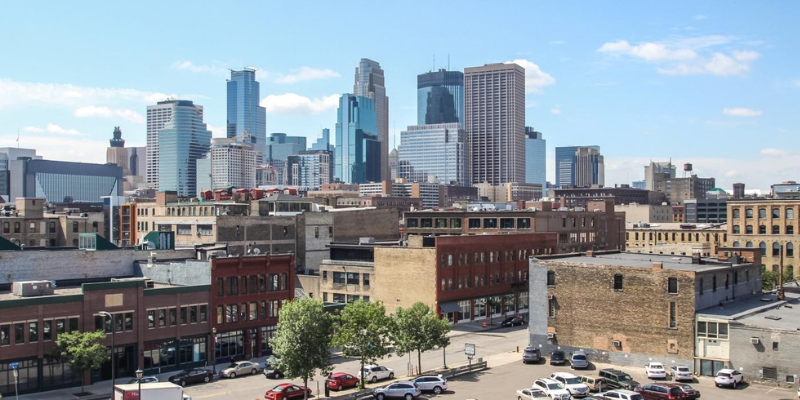
Welcome to our complete guide to the lively city of Minneapolis, Minnesota! Minneapolis has different and varied neighborhoods, from the lovely, shady, tree-lined streets to the busy, thriving urban center. Each other and the diverse neighborhoods and the various and varied urban districts Minneapolis has and offers, changing in the cultures, the food, and the community. For the potential home owners and buyers, or simply the curious, our neighborhood map with the assigned and pinpointed region highlights will allow and guide the newcomers in the city to simplify and easily explore, traverse, and understand the surroundings. The city offers plenty to do, and places to see, and the town holds, lives, works, and plays. Uncover the best Minneapolis neighborhoods. Explore the lovely places alongside the fantastic city of Minneapolis.
Key Highlights
- Minneapolis offers diverse neighborhoods with unique cultural, dining, and lifestyle experiences.
- Northeast Minneapolis is known for its artistic community, cultural diversity, and vibrant dining scene.
- Use comprehensive maps to navigate neighborhood boundaries and efficiently explore Minneapolis’s distinctive areas.
- Downtown Minneapolis combines urban convenience with cultural attractions, appealing to professionals and culture enthusiasts.
- Choose neighborhoods based on lifestyle preferences, using maps and community insights for informed decisions.
Understanding Minneapolis Neighborhoods
Every neighborhood in a city has a story to tell, and Minneapolis is no different. Though Minneapolis is diverse in character and appeal, it is still one of the most livable cities in the Midwest. The neighborhoods and districts of Minneapolis, art enclaves and lakeside communities, show the balance of creativity and comfort regarding the city and its immense and stunning landscapes. The town is a pleasure to explore, whether you are new to the city or a long-time resident. It is vital to get a feel of the different districts to find the most suitable one to call home.
The Northeast Minneapolis district’s artistic vibe and energy are home to many art studios, galleries, and the famous Art-A-Whirl festival. The Uptown district is popular not only for its trendy restaurants and outdoor activities, but also for its proximity to Lake Bde Maka Ska. Lowry Hill is home to lovely historic residential houses and is close to notable cultural attractions with a picturesque view. On the other hand, the Cedar Riverside district is characterized by cultural and atmospheric diversity, which adds to the city’s multicultural richness.
Understanding an area’s neighborhoods is essential for prospective movers. Each neighborhood contains distinct variations in housing trends, amenities, and community energy. Therefore, you must ensure preferences are aligned. Whether you prefer walkability, parks, entertainment, or a calm/family-friendly area, Minneapolis has a neighborhood tailored for you. Let’s examine Minneapolis trims and help you relocate smoothly and positively.
Looking to make your move in Minneapolis? Contact us today for a no-obligation offer and discover how easy it can be to sell your house fast. Whether you’re relocating within the city or moving elsewhere in Minnesota, our team is here to help you every step of the way.
Key Areas to Explore
The Twin Cities and Minneapolis have many diverse and distinctive neighborhoods. Northeast Minneapolis is a crossroads of artistic expression and caring community. It is the heart of the annual Art-A-Whirl festival, which celebrates local and community artists and is Minneapolis’s second-largest arts festival. There is also a diverse dining landscape, with various food offerings and some international cuisine. A local and minor industrial history and urban renewal enhance the neighborhood’s charm.
Cedar Riverside, a neighborhood rich in history and cultural diversity, continues to have a vibrant energy. For a long time, this area has been a welcoming center for immigrant populations, a large part of Minneapolis’s identity. The lively cultural celebrations, diverse international restaurants, and the legendary music scene of the West Bank all demonstrate the balance of Cedar Riverside’s traditions and its contemporary innovations.
Any Minneapolis neighborhood exploration would be lacking without a visit to Lake Uptown—the perfect example of urban lakeside living. It’s picturesque, has trendy cafés, and has a nightlife that adds to the balance of recreation and relaxation in the living scene. Local favorites that capture the essence of outdoor Uptown are biking around the Lake of the Isles and kayaking on Lake Calhoun.
For a calmer time, Southwest Minneapolis provides quiet parks, friendly people, and a suburban “small town” feel with urban amenities. Also known for its greens and for being family-oriented, it is where many people looking for a quieter lifestyle choose to live.
Every neighborhood has its unique charm and pace. Visit the places that interest you the most, engage with the people and communities, and appreciate the surroundings. From Northeast’s art and Cedar Riverside’s multicultural diversity to the relaxing lakes in Uptown, the neighborhoods in Minneapolis have excellent and varied mosaics.
Housing and Lifestyle Considerations
Choosing where to live in Minneapolis involves more than selecting a neighborhood with beautiful views; it requires a comprehensive understanding of each area’s housing market and lifestyle. Consider Lowry Hill, which boasts historic charm and tree-lined streets. It attracts residents with Victorian homes and classic architecture, as well as those interested in proximity to attractions, including the Walker Art Center.
Phillips, in contrast, delivers a more diverse and community-oriented living experience. Its offered housing comprises reasonably priced townhouses and contemporary apartments. Residents readily engage in community improvement initiatives, making this neighborhood a more attractive option to those on a budget looking for housing and a more active, participatory community.
For families looking for mid-century homes and more modern housing offerings, the area of Southwest Minneapolis provides a perfect family residential environment. Their ideal residential environment is characterized by tranquil parks, highly rated public schooling, and a suburban atmosphere. The opposite is true for Uptown Minneapolis, which is less suburban, featuring a more vibrant condo community and a lively atmosphere more appropriate for young professionals and millennials with easy suburban roaming access to the lakes.
From the artistic presence of Northeast Minneapolis to the bustle of Cedar-Riverside, each neighborhood within Minneapolis has a distinct housing and lifestyle choice. The sophistication of Lowry Hill is in stark contrast to the community spirit of the Phillips neighborhood, which allows for a diverse selection to suit varying temperaments.
| Neighborhood | Character/Charm | Lifestyle | Housing Options | Notable Features |
|---|---|---|---|---|
| Northeast Minneapolis | Artistic and eclectic | Lively and creative | A diverse range from historic homes to new apartments | Art galleries and unique eateries |
| Cedar Riverside | Multicultural and historic | Vibrant and diverse | Affordable apartments and condos | Music venues and cultural festivals |
| Uptown | Trendy and dynamic | Young and energetic | A diverse range from historic homes to new apartments | Shopping districts and nightlife |
| Southwest Minneapolis | Charming and picturesque | Family-friendly and peaceful | Spacious homes and parkside residences | Lakes and green spaces |
| Lowry Hill | Elegant and historic | Affluent and serene | Stately homes and mansions | Near the Walker Art Center |
| Phillips | Diverse and vibrant | Close-knit and community-focused | Affordable housing and landmark properties | Community gardens and cultural centers |
This table captures Minneapolis neighborhoods’ distinct personalities and offerings, providing a snapshot of each area’s offerings.
Henry Home Buyer can help you navigate Minneapolis’s diverse neighborhoods with ease. Whether you’re drawn to the historic elegance of Lowry Hill, the community-driven vibe of Phillips, or the family-friendly setting of Southwest Minneapolis, we provide expert guidance and tailored solutions to match your lifestyle and housing goals. Let us help you find the perfect home in a neighborhood that truly fits you.
Using the Minneapolis Neighborhood Map

Understanding the neighborhood map of Minneapolis makes grasping the city’s essentials much simpler. This resource gives an overview of the city’s neighborhoods and is helpful to both new and long-time residents. It provides the essentials for one to discover the town boldly, from major communications routes to minor hidden gems; it includes parks, cultural attractions, and everything else.
Minneapolis demonstrates its contrasts and character in every one of its neighborhoods. Each neighborhood tells a unique story—Northeast Minneapolis, for instance, is home to artists, eclectic galleries, and creative energy. At the same time, Southwest Minneapolis is comprised of mid-suburban, peaceful residential neighborhoods of lakes and greenery. The interconnection of these unique communities, as shown in the city map, facilitates the planning of routes and the discovery of local delights to determine the city’s diverse offerings firsthand.
More than the planning of routes, a neighborhood map invites the user to access the city’s life in its deeper rhythms. It tells the story of the interweaving of art and commerce, the coexistence of culture and nature, and the harmonious merging of the old and the new. It makes the Minneapolis experience far richer than just a simple trip; it is a journey.
How to Navigate the City
Knowing how to use maps effectively can turn navigation into an enjoyable experience when exploring Minneapolis. Whether discovering quaint neighborhoods or bustling city centers, a map becomes your best companion. Familiarizing yourself with the neighborhood layout reveals not just streets, but also parks, schools, and key landmarks. Each area has its charm, from the street art of Northeast Minneapolis to the lakes and gardens in the East. Crowdsourced maps add real-time updates on events, road closures, and new spots, while also showing pedestrian zones and transit routes for a smoother journey.
Finding different ways to travel is something else that maps can do. In Minneapolis, for instance, cycling is very popular, and numerous maps show safe and beautiful routes set aside for bike riders. Increasing urban renewal constantly adds new routes and vacant spaces, and maps capture and show changing urban layouts. Digital maps include new and innovative tools that provide real-time and comparative routing suggestions for different uses and traffic, thus streamlining and enhancing the various purposes of city traffic. For urbanists, hikes, bike rides, and city walks can show off Minneapolis and the different layers of the city, revealing sophisticated and innovative elements that exemplify and reflect the socio-spatial collaboration that the city fosters.
Navigating the City of Minneapolis can be an enriching experience with a few handy tips. Here are some key points to consider to make your journey easier and more enjoyable:
- Familiarize yourself with the city’s extensive public transit system, notably the Metro Transit buses and light rail lines, which offer convenient access across major areas.
- Bike-friendly paths and dedicated cycling lanes connect neighborhoods and city parks, which are ideal for commuting and leisure rides.
- Take advantage of the Minneapolis Skyway System, a network of enclosed, climate-controlled footbridges that makes downtown exploration comfortable regardless of the weather.
- Download city guide apps that provide real-time updates on traffic conditions, transit schedules, and local attractions.
- Consider renting a scooter or e-bike for short distances, particularly in busy or pedestrian-friendly areas like the university campus or Uptown.
- Stay vigilant with parking rules and regulations, particularly in downtown zones, to avoid fines and ensure easy access to attractions.
- Explore walkable neighborhoods like North Loop or Northeast for unique shopping, dining, and cultural experiences without needing a vehicle.
- To minimize travel delays, plan routes ahead of time using tools like Google Maps or local resources, especially during peak hours.
By integrating these strategies into your travel routine, you can comfortably and confidently explore all the vibrant corners of Minneapolis.
Identifying Points of Interest
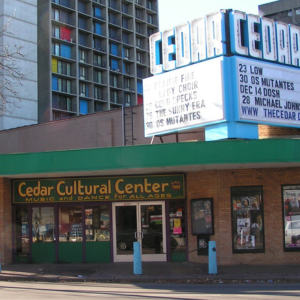
There’s more to a map than finding the quickest route to a destination. It can show you the most valued corners of the city. It can point to the sights. Every little point of interest Minneapolis has needs a detailed neighborhood map. For those interested in the parks, the neighborhood map profiles the city’s different parks. Be it the East River Road for its more tranquil walks or the livelier Loring Park, you will get a distinct Minnesotan experience. Detailed scenic routes also exist for those who like to escape the city. That detail means you can get away from the city and take in the beauty around it.
City maps also focus on civil and cultural history, which helps map the city of Minneapolis. Music lovers can visit Minneapolis music venues like First Avenue and the Cedar Cultural Center. There are also art galleries in the Northeast Arts District for art lovers. Not to forget all the other creative performances that can be found randomly. The unexpected arts and performances are magic when you explore using a map.
Maps also serve practical needs, marking essential services such as hospitals, police stations, and transit stops. Crowdsourced maps take it a step further, providing local updates on bus routes, pop-up events, and even open houses for real estate seekers or cash house buyers in Minneapolis and other cities in Minnesota. As you explore, you may discover neighborhoods you hadn’t known before, broadening your connection to the town.
Whether new to Minneapolis or a long-time resident, maps are key to fully experiencing the city. They turn routine drives into adventures and casual walks into moments of discovery. Don’t just visit Minneapolis—let your map help you live it, one point of interest at a time.
Living in Downtown Minneapolis
Downtown Minneapolis features a unique combination of metropolitan ease and a vibrant lifestyle that appeals to many, including cosmopolitan and culture advocates. The mixed-profile skyline, incorporating contemporary and historical elements, is a Westward reflection of the city’s evolution from an industrial center to a modern metropolis. The city’s residents derive satisfaction from proximity to work, entertainment, and integrated mass transit systems. With the infrastructure, industrial center, and metropolitan hub, public life is balanced from the morning coffee services to the evening rambles on Nicollet. Everything the municipality offered was made to excite and operate efficiently.
Downtown features an integrated American urban lifestyle. Its residents derive satisfaction from proximity to work, entertainment, and integrated mass transit systems. With the infrastructure, industrial center, and metropolitan hub, public life is balanced from the morning coffee services to the evening rambles on Nicollet. Everything the municipality offered was made to excite and operate efficiently. The city is integrated for work and leisure, with systems for residents to flow and enjoy life. Culture offers temperate urban life to draw urban amenities and exploit city resources.
What to Expect from the Urban Core

The center of Downtown Minneapolis is full of life. Its heart is an urban landscape full of life. Whether you are a newcomer or a long-time resident, the city’s core is a vibrant mosaic of attractions and amenities. Its soaring buildings contain everything from luxury apartments to central corporate offices, reflecting the city’s economic and opportunity. Minneapolis does not stop moving; its urban core perfectly embodies that energy.
There is no better environment to enjoy the concentration of economic and non-economic leisure activities than Minneapolis’ downtown. The zone comprises an intricate system of businesses, hospitality, leisure, and entertainment amenities that funnel and generate the downtown’s impressive crowd of residents. The downtown area of Minneapolis offers modern residential amenities with more than half a dozen alternating lofts and mini-apartments. Getting to work, attending an event, or watching a game seamlessly integrates into the daily routine, erasing the need for a more complicated commuting pattern.
Excellent transport links enhance the atmosphere. Extensive bus and light rail networks make commuting easy, while bike-sharing programs and pedestrian-friendly streets showcase the city’s commitment to sustainability. Here, you can embrace authentic urban living and the freedom of a car-free lifestyle.
However, Downtown is not all hustle and bustle. More peaceful spaces like Loring Park provide an oasis in the concrete jungle for picnics, concerts, or contemplative walks. The tendency to combine such disparate spaces and activities is what makes downtown living so uniquely attractive.
Complemented with a target on the scale of urban excitement, Downtown Minneapolis is the epitome of a community blended with spirit. As community buildings are constructed, the spirit of incorporation becomes the essence. As for the urban excitement, it is very well present there in the scale of community buildings. The spirit of incorporation brings the community with a target on the scale of urban excitement. The opportunities there are endless.
Culture and Dining Options
Explore Downtown Minneapolis in the region’s cultural epicenter. This vibrant urban environment encapsulates the intersection of arts, music, and cuisine. Culturally creative and diverse, Downtown Minneapolis features the Guthrie Theater, a Minneapolis art museum, the Walker Art Center, and numerous galleries, all of which highlight and cater to the various art and music. Vibrant art spaces enhance the city center. Local openings and events, which facilitate interactions between artists and admirers, are pretty standard.
The musical night scene is just as vibrant, with First Avenue and other legendary venues in the city center hosting concerts by established and up-and-coming artists. Casual jazz clubs and other small music venues enhance the Downtown nightlife. The Downtown Nightlife is complemented by robust dining options, which include barrier cuisine, upscale dining, and innovative vegan dining, all available in food trucks. The North loop, a short distance from Downtown nightlife and refined with a modern sense, is high in trendy cafes, breweries, and facilities with eclectic cuisine.
The Minnesota Fringe and Holidazzle festivals continue to invigorate the region, honoring and showcasing the community’s creativity year-round. Downtown Minneapolis is a blend of the international and the local. Every street, stage, and restaurant embodies the city’s ever-evolving character. To live here means not having to choose from the myriad cultural offerings and diverse cuisines, the true Midwest creative beacon.
Making the Move: Practical Tips
Embarking on a move to Minneapolis is an exciting journey, offering endless opportunities to explore a city rich in culture, community, and diversity. Each neighborhood has its own personality—whether it’s the artsy energy of Northeast, the lakeside tranquility of Uptown, or the urban buzz of Downtown, there’s a place that fits every lifestyle. Suppose you want to sell your house fast in St. Paul and move to Minneapolis. In that case, the transition will be rewarding and inspiring, with neighborhoods that capture the city’s creative spirit and welcoming atmosphere. From housing options to local amenities, Minneapolis presents a balanced mix of vibrant city life and comfortable residential areas that cater to a wide range of preferences.
Relocating to a new city can be for many reasons—employment opportunities, education, or simply a change of scenery. Regardless, choosing the neighborhood can most influence your overall experience in the city. We consider and define neighborhood borders, your necessary lifestyle preferences, reasonable commute times, accessibility to essential services, and other such factors. These inputs are for your discerning choice in Minneapolis. We hope your transition is pleasant and your search is invigorating.
Finding the Right Neighborhood for You
Finding the ideal neighborhood in Minneapolis goes beyond picking a spot on the map—it’s about matching your lifestyle with the area’s character and amenities. The city comprises distinct neighborhoods, each offering a unique vibe. If you love culture, art, and nightlife, Northeast Minneapolis—with its galleries, music venues, and creative energy—may be your perfect fit. For a quieter pace, southern neighborhoods like Linden Hills or Fulton offer tree-lined streets, parks, and a family-friendly atmosphere while staying connected to city conveniences.
When choosing where to live, consider both lifestyle and practical needs. Proximity to schools, workplaces, and public transport can make a big difference, especially if you value walkability and easy access to downtown activities. Explore, talk with locals, and experience community events to see what feels right.
Neighborhood maps of Minneapolis can also help, highlighting schools, parks, and transport routes to guide your decision. Ultimately, your move should balance convenience with lifestyle fit—whether that’s the artistic buzz of the North, the calm charm of the South, or something in between.
Explore Minneapolis’s neighborhoods to find your perfect match, from the creative energy of North Loop to the relaxed comfort of Linden Hills. Ready to make your move? Contact Henry Home Buyer for expert guidance and personalized support in finding a place that feels like home.
FAQs:
What makes Minneapolis neighborhoods unique?
Minneapolis has various neighborhoods offering unique cultural, dining, and lifestyle experiences. Whether you’re into vibrant art scenes or relaxing lakeside living, there’s something for everyone.
How can I navigate around Minneapolis neighborhoods effectively?
The best way to navigate Minneapolis is to utilize comprehensive neighborhood maps. These maps show roads and highlight parks, schools, and points of interest, helping you explore distinct areas efficiently.
What should I consider when choosing a neighborhood in Minneapolis?
Consider your lifestyle preferences, proximity to work or schools, and the neighborhood’s cultural vibe. Minneapolis has everything, whether seeking a vibrant downtown environment or a peaceful suburban feel.
Why is Downtown Minneapolis popular among residents?
Downtown Minneapolis blends urban convenience with a dynamic lifestyle. It boasts cultural attractions, dining options, and a lively atmosphere that draws professionals and culture enthusiasts.
How can I determine the best neighborhood in Minneapolis for my needs?
Start by visiting different neighborhoods, talking to locals, and using neighborhood guides. Henry Home Buyer can also provide expert advice and personalized assistance to find a match for your lifestyle. check Out our article on Best and Worst Neighbot hoods in Minneapolis for more details.
Need to sell your house in Minneapolis, MN? Whether you want to sell quickly, avoid costly repairs, or prefer a hassle-free experience, Henry Home Buyer is here to help. We buy houses across all Minneapolis neighborhoods — from Uptown to Northeast — and our neighborhood map helps us understand your area so that we can provide a fair, competitive cash offer. We handle all the details and make the process seamless from start to finish. Ready to sell or have questions? Call us at (612) 430-8822 for a no-obligation cash offer today and see how easy it is to sell your Minneapolis home!
Helpful Minneapolis Blogs Articles
- Is Minneapolis, MN, a Good Place to Live?
- Minneapolis, MN, Closing Costs Calculator
- Minneapolis, MN, Capital Gains Tax Calculator
- Minneapolis, MN, Neighborhood Map
- Best and Worst Neighborhoods in Minneapolis, MN
- Minneapolis, MN, Property Tax Rates
- Selling a House with Termite Damage in Minneapolis, MN
- Should I Replace My Roof Before I Sell My House in Minneapolis, MN?
- Sell Your Minneapolis Home Below Appraised Value
