

Minneapolis has great art and culture. Each region is distinct. Not all regions are safe or pretty. Knowing which neighborhoods are safe is crucial while moving or exploring. This book discusses Minneapolis’ best and worst neighborhoods. It lists safe and welcoming areas for inhabitants and visitors and safety concerns.
Brief Overview
People from numerous cultures live in Minneapolis. Each city neighborhood is unique. Neighborhoods like Uptown offer nightlife and daytime activities. Midtown and East Phillips are crime-ridden. They should consider safety, cost, and accessibility when hiring movers. Minneapolis is full of contrasts and life because it values community growth. Safety and quality of life are improving across the city.
Key Highlights
- Diverse neighborhoods in Minneapolis have diverse cultural and lifestyle experiences, which can make them more or less popular and safe.
- Minneapolis neighborhoods are quite nice since they are safe, have good facilities, and are not too expensive to live in.
- People in Midtown and East Phillips are working together to lower crime rates by starting community programs.
- Trends in violent and property crime reveal that there are social and economic difficulties, which help us develop measures to stay safe.
- South Minneapolis has a vibrant culture and uses community-based strategies to deal with crime.
Understanding the Landscape of Minneapolis Neighborhoods
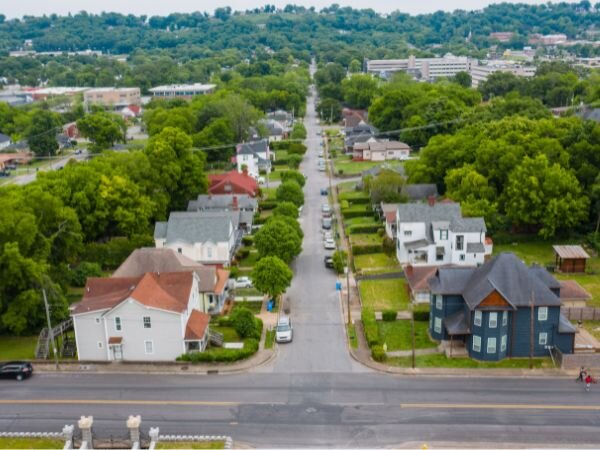
There are a number of neighborhoods in Minneapolis, and each one has its own flavor and charm. The city has a lot of different kinds of landscape, from hectic downtown areas to quiet suburban areas. It’s vital to know these things if you’re considering moving to the area. The cost of living, safety, and demographic changes are also very important to how popular these places are. If you look into these things, you’ll see why some communities are better than others. Now, let’s take a closer look at the different types of people who live in Minneapolis and what makes a neighborhood more appealing.
The Diversity of Minneapolis
Minneapolis offers many neighborhoods with distinct cultures, lifestyles, and amenities. Each section illustrates how the city has evolved and united its people. Loring Park is historic, and Uptown is lively at night. Many new areas in the area are excellent for different types of individuals, so those considering moving should choose wisely. Minneapolis neighborhoods are amazing because they suit many people and lifestyles. Each region has several festivals, tiny stores, and art communities. Rent, cost of living, and quality of schools and public transit vary in these places. Uptown rentals are more pricey, but the lively environment and accessibility to city attractions frequently make up for it.
Loring Park and its surroundings are tranquil and have ancient and new homes. People considering city and suburb living should consider them. Facility cost and quality differences highlight how crucial it is to research a place before moving there. Minneapolis residents worry about safety, so the city provides a lot of information to help them determine how secure their neighborhood is. Secure communities attract more people. However, anyone concerned about safety should know about unsafe places. Signing people up for local safety programs is crucial. These initiatives and their environment affect how well each neighborhood retains and attracts residents. To navigate Minneapolis, you must understand its areas’ changes and character.
Factors Influencing Neighborhood Popularity
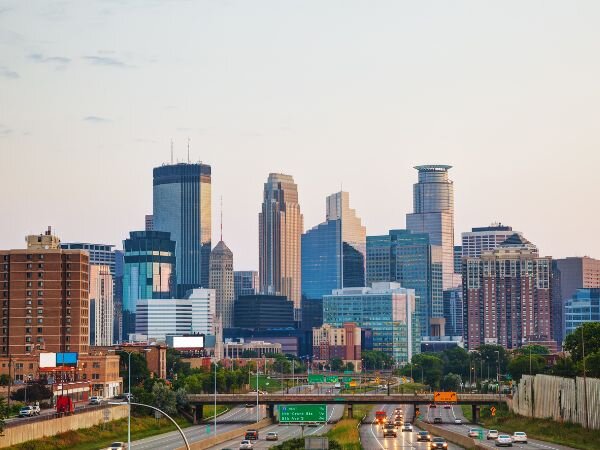
If you’re moving to Minneapolis, you should know what makes certain neighborhoods popular. Community appeal comes from safety, facilities, population density, and cost of living. The Uptown restaurant and social scene is lively. These regions are popular with young people who want excitement and convenience. The neighborhood now has young professionals and families as more move in. Living costs vary by neighborhood, but they are still important. Loring Park is cheaper than other metropolitan neighborhoods and offers peace and quiet. Minneapolis has many rents.
More expensive neighborhoods are usually newer or near city attractions. These changes could affect how much they pay each month and how good their life is, and safety is another factor that affects popularity. People like to live in places with low crime rates, and many groups provide crime data to help them choose. Some Minneapolis neighborhoods are safer. This easily accessible information helps migrants prepare for each place. Safe, pleasant neighborhoods are usually a team effort: local programs and participation aid. Finally, Minneapolis parks and playgrounds improve certain communities. Green spaces increase house value and encourage individuals to spend time outside with neighbors, improving their lives. When moving to Minneapolis, many consider this city-environment mix. It becomes harder to assess each neighborhood’s merits and cons. Safe, inexpensive, pleasant, and clean Minneapolis neighborhoods are popular. If you own a property in one of Minneapolis’s challenging neighborhoods and are considering selling, Henry Home Buyer can help you sell quickly and hassle-free in Minneapolis, MN
Identifying Dangerous Neighborhoods in Minneapolis
You need to look at the different neighborhoods in Minneapolis to understand how safe it is. Some of them have a lot of violence. East Phillips and Midtown Phillips are areas of concern because they have higher crime rates, which makes living there tougher. It’s vital to know about these problems before you move or visit. People are working to make these locations safer and better places to live, even though they are hard to understand. By looking into these communities, we can learn more about the difficulties that people there face and what is being done to solve them.
Spotlight on Midtown Phillips
Midtown Phillips, one of Minneapolis’ most hazardous neighborhoods, has been noticed. Despite its vibrant culture and vitality, the neighborhood nevertheless has crime and safety issues. Although the city has issues, it also has many cultural events and a solid community. Violent crime and ongoing violence make Midtown Phillips one of the city’s worst neighborhoods. Even if these issues persist, the locals and authorities should be commended for their safety measures. Midtown Phillips neighborhood programs reduce crime and improve safety. Police, community leaders, and residents have collaborated to identify the causes. This includes funding community youth programs, home repairs, and police recruitment to keep residents safe. You should remember that not all violence is local. Locals work hard to make it robust and friendly, revitalizing it.
Midtown Phillips people’s diverse economic backgrounds show their liveliness. People join community groups and collaborate with non-profits to improve neighborhoods to improve their lives. Despite severe crime, there are parks and recreation facilities for families and individuals. Despite its criminality, Midtown Phillips has optimism and potential. The city and people are committed to improving things, proving they can overcome obstacles and improve the future. Crime has dropped in recent years, suggesting people are working together to improve things. Midtown Phillips tells us how hard people strive to improve their neighborhood and how hard it is to understand crime statistics in difficult locations. People in one of Minneapolis’s hardest but most lively neighborhoods are always improving.
The Complexities of East Phillips
East Phillips is another Minneapolis neighborhood struggling. Many ethnic groups live there, yet social and economic issues abound. East Phillips has a rich history, but its high crime rate and safety issues dominate the news. Good and evil coexist in many areas as they fight crime and improve their environment. East Phillips residents have formed initiatives to reduce crime and improve the community, changing its image. This neighborhood is great because of its international residents. Since the area has economic challenges, many love and loathe this strange mix of cultures. Even with high crime, diversity strengthens communities. More local police patrols and safety programs can reduce crime in East Phillips. Community groups help police and communities trust each other and innovate.
Children should be taught and allowed to participate in neighborhood events to create safe spaces to fight violent crime. This technique targets crime causes and effects to make the community safer and more stable. Even in hard times, East Phillips residents are positive. We believe city economic and infrastructure measures will reduce crime. People still care about cultural festivals and art projects because they offer alternatives to criminality. There is room for improvement. East Phillips wants future ideas to change the story. Our brave and dedicated neighbors give us hope for the future. East Phillips may benefit from addressing income and safety disparities. East Phillips shows how difficult it is to change neighborhood perceptions. It shows how hard it is to live in a dangerous place and how strong and wonderful the people are. East Phillips shows how community collaboration may alter challenging communities.
Crime Analysis in Minneapolis
Minneapolis has a lot of different types of crime problems, especially in areas that aren’t extremely active. People who reside there and people who are relocating there can make sensible choices if they know the crime rate and how it affects neighborhoods. The city’s safety grade and how people see it are mostly based on violent crime and property crime. Crime data and detailed maps show how crime rates differ from one area to another. This analysis helps us figure out what causes crime, which will help us find better strategies to stop it and make law enforcement more effective.
The Impact of Violent Crime

Minneapolis’s reputation and quality of life suffer from violent crime. People are scared of assault, robbery, and murder in some places. The city has a problem since not all neighborhoods have violent crime. This frequently worsens inequality and socioeconomic imbalance. Due to economic issues, lack of resources, and neglect, high-crime areas are often more dangerous. Knowing violent crime and grades helps you target solutions. Midtown Phillips and East Phillips, known for crime, have systemic issues. Long-term violent crime inevitably endangers residents and the community.
It decreases property prices and hurts local companies, discouraging investment and perpetuating poverty. Despite these issues, community-led groups are promoting police visibility and engaging youth in crime prevention. Statistics and community knowledge have helped the Minneapolis Police Department and local groups reduce violent crime. Programs that help at-risk teens acquire jobs and attend school are needed to solve crime. These programs build confidence between police and communities, fostering respect and accountability.
Minneapolis has a serious crime problem, but many want to assist. Community leaders say you must be strong to stop committing crimes. Attending community meetings, establishing a neighborhood watch organization, and talking to crime prevention experts help reduce crime. Fighting violent crime in Minneapolis makes things safer and more profitable. Problems persist, but the city is improving.
Trends in Property Crime
Minneapolis also struggles with property crime, although it changes differently from violent crime. Burglary, theft, and auto theft affect people and businesses. Property crimes are common in the city; however, some neighborhoods are worse. The economy and dense population are the main causes. Crime maps and statistics help us fight property crime by showing trends. We must acknowledge that property crime varies with the economy. Burglaries and thefts rise in weak economies. Thus, finances and crime are linked. Property crimes are more common in low-income neighborhoods. They may not have the resources to address these issues. If property crime continues, individuals may feel disconnected. Their communal involvement may have declined.
Minneapolis residents must be more cautious and employ better technologies to reduce property crime. Many neighborhood watch groups use video cameras to deter crime. Data-driven crime hotspot detection optimizes police resources. Property crime is lower in communities with active participation. Neighborhood groups often organize crime prevention and safety programs. They emphasize being alert to your surroundings and reporting anything suspicious. Rapid-response teams for volatile areas were developed by police and communities. Minneapolis property crime has decreased recently.
This indicates community involvement and good police work. Home and car safety initiatives reduce thefts. Paying more attention to your surroundings and taking action will make your environment safer. Despite property crime, Minneapolis uses evidence-based solutions and community involvement to improve things. The city’s property crime reduction shows how difficult but possible teamwork is. Minneapolis shows that strong communities and effective planning can prevent property crime, a difficult issue.
Exploring South Minneapolis: A Neighborhood Overview
South Minneapolis has many restaurants and cultural places. This place’s history, beauty, and modernism attract all ages. Bad things happen in South Minneapolis. Crime plagues some neighborhoods. People considering moving to or visiting this region of Minneapolis should understand how business and society work and how safety is improving. Look at South Minneapolis’ particular issues.
Challenges Facing South Minneapolis
South Minneapolis is culturally rich and community-oriented, but violence marred its reputation and quality of life. Some South Minneapolis neighborhoods have wonderful parks and lively markets, but others have unsafe streets and high crime. Property and violent crime are shown on crime maps, making it hard to rate areas safely. The area’s high crime rate worries residents and prospective residents. Some South Minneapolis neighborhoods are more crime-prone. Police and community groups work hard here.
Crime rates are higher in South Minneapolis areas with varying education and income levels. This causes property and person offenses. People who live and work in the neighborhood must work together to tackle these daily issues. South Minneapolis residents combat violence in many ways. Crime prevention programs have mobilized the community and increased police cooperation and neighborhood watch organizations. These have made people feel safer and enabled neighbors to get to know each other, reducing crime. The Minneapolis Police Department has invested in high-crime areas to reduce violent crime and increase community policing. These techniques aim to reduce crime by developing police-resident trust. Detailed crime maps and statistics empower residents to make their neighborhoods safer. Leaders and citizens can better tailor crime prevention efforts to local needs if they know where crime occurs. These well-planned efforts have reduced crime in some parts of South Minneapolis, indicating that things are improving despite ongoing issues.
Crime and city operations vary; therefore, these programs must be ongoing and flexible. Many social and economic factors cause violence in South Minneapolis. Poor education, job opportunities, and poverty often exacerbate these issues. These key issues must be addressed to reduce crime. Because of this, city leaders and community groups are helping struggling towns improve. Helping people find jobs and affordable housing reduces crime by empowering them. South Minneapolis has issues, but its residents are tough. The community’s yearning for safety and stability shows a larger commitment to changing how people view and live in dynamic but struggling Minneapolis. South Minneapolis shows how community change may improve cities and shape communities as it builds. South Minneapolis illustrates complex and hopeful urban resiliency and revitalization.
Safety Tips for Navigating Dangerous Areas
Prepare to be safe in Minneapolis’ toughest neighborhoods. City residents and visitors can reduce their risks by learning about the crime rate and following safety regulations. You’ll discover how to stay safe in high-crime areas in this course. It emphasizes awareness, healthy decisions, and safety gear. These ideas will make your Minneapolis vacation safer and more entertaining. These tips can help you navigate the city’s neighborhoods, whether you live or visit.
Staying Safe in Dangerous Neighborhoods
Be aware and stroll safely in unsafe neighborhoods. Minneapolis’ distinctive city arrangement makes crime hotspots difficult to handle. Crime headlines, neighborhood safety, and rates must be monitored. Accurate crime maps show key areas to watch. Join local clubs and employ neighborhood watch programs to walk safely in these communities. Local residents, businesses, and government can help you identify safety issues and avoidance areas. Use maps and navigation tools to locate safer routes to high-crime areas before you go. Be aware of potential dangers in tourist areas. Protecting your belongings and turning off your phone are simple ways to deter small thieves and criminals. Act tough to deter criminals who target the weak. Take public transportation to work and be safe at transit hubs. Bus and subway stops are easier to observe and less likely to be dark when busy and well-lit. Sit near the driver or crew on public transit and watch your belongings. Before you leave, check your transit timetables to avoid excessive waits, especially at night when you may be more exposed. Always be ready to meet friends or visit safer, busier Minneapolis neighborhoods. Tell someone your destination and estimated arrival time. This protects you in case of trouble. Having trusted individuals on your phone who know where you are in real time will reduce anxiety since they can aid you. To stay secure, you must recognize and address physical threats and grasp the facts. You’ll be more prepared for risky locations if you know how to defend yourself, what to do in an emergency, and where the local police or fire stations are. Minneapolis, like many big cities, offers safety and self-defense lessons to calm people. Finally, attending local safety activities and staying current on crime prevention is crucial. Many communities work together to protect their neighborhoods. Talking to these groups will improve your Minneapolis stay. Being part of a larger group makes everyone feel safer and supported. Joining neighborhood groups and completing safety assessments helps keep people safe in risky environments. Knowing the risks, here are some critical things you can take to keep safe in stressful situations:Be aware of your surroundings and trust your instincts to warn you.
- Use your phone sparingly and hide your valuables to avoid attention.
- Slowly, purposefully, and know your destination.
- Avoid quiet, dark regions and stick to busy, well-lit streets at night.
- Tell someone you trust where you are and when you’ll return.
- In an emergency, carry a whistle or pepper spray.
- Wear plain clothes to avoid attention.
- If you’re in danger, plan your escape and route. Preparing for difficult situations reduces risk and makes you feel safer.
Minneapolis offers interesting and hazardous spots like every other city. Knowing what makes each area special helps residents and tourists choose where to live or visit. Although unsafe, some districts’ culture and history enrich the metropolis. When buying a home, consider safety, lifestyle, and town resources. Minneapolis fulfills several needs and interests. Henry Home Buyer understands the diverse neighborhoods of Minneapolis — from the historic charm of Lowry Hill to the vibrant community of Phillips and the family-friendly streets of Southwest Minneapolis. If you’re ready to sell your house fast in Bloomington or any part of the city, we offer fair cash offers and a smooth, hassle-free process tailored to your situation. Reach out to us for any Questions.
Helpful Minneapolis Blogs Articles
