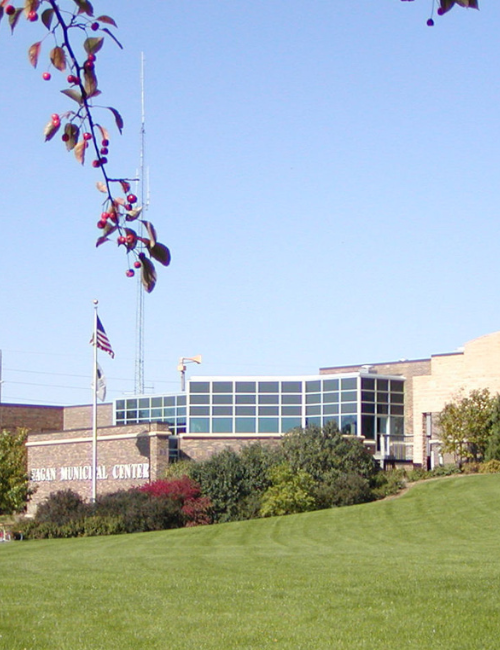
Understanding property taxes in Eagan, MN, and knowing the local tax rate is important for residents and potential buyers. This guide covers important details about the property tax system in Minnesota and property taxes in Eagan. This page is intended to explain tax rates and assessment processes for new home buyers or residents budgeting for an existing home, and provide guidance to help residents retain tax premiums. Henry Home Buyer can also assist in navigating local tax concerns and provide helpful insights. Keep financial plans and property tax updates in Eagan in sync.
Understanding Eagan’s Property Tax System
Eagan in Dakota County has a complex property tax system that helps homeowners understand how to calculate their total property tax bill. One needs to understand tax rate structures, tax systems, and property taxation to make sense of a city’s tax system. This helps residents understand how their market value and tax levies contribute to their tax liability. Homeowners can estimate city property tax using a property tax calculator and other city property tax estimating tools. Understand how tax is calculated and what affects property value and tax rate in Eagan.
How Property Tax Is Calculated in Eagan

In Eagan, budget planning requires knowing the property tax fundamentals. Each property has an assessed market value by Dakota County, which, in turn, modifies the tax bill via tax capacity. Tax capacity is one of the factors that determines the total tax bill. Also contributing to the tax rate are the city tax levies, which are determined by public referendum. To calculate the property tax bill, homeowners can employ a property tax calculator, which estimates tax bills via the city’s tax rate, the county’s tax portions, and additional tax credits or exemptions.
State and local government policies influence tax rate changes. Property tax bills are directly tied to the local and state government needs of the jurisdiction in which the property is located, as Minnesota state law emphasizes the equitable distribution of the tax burden. Eagan’s tax responsibility system is balanced. Those opposed to tax calculator use are encouraged to combine the myriad tax rate components budget planners use with a tax calculator. Knowledge of fiscal policies in Dakota County is invaluable. Understanding these principles helps Eagan homeowners make the most of their tax bills, state credits, and local tax relief. These are a good starting point for all homeowners in Dakota County.
Factors Influencing Property Tax Rates
When focusing on property tax rates in Eagan, MN, several factors must be considered. The assessed, or market, value of property is probably the most influential factor in determining value and tax capacity. Market value and, thus, property taxes can change due to market and investment activity in the neighborhood. Another factor is the city and county tax rates from the local and Dakota County governing bodies, which are responsive to the funding needs for education, safety, and transportation. These receive adjustments in the annual budget cycle, which aligns the needs of the community and the requests of the taxpayers. In Minnesota, tax levies are subject to voter approval; thus, referendums are an essential aspect of funding in Eagan and the county that help align taxes and services with community needs.
Additionally, state-level legislative changes in Minnesota provide new instructions concerning the state’s taxation framework. These changes may revise Minnesota counties’ tax capacity, which would affect the calculations of property tax levies. Factors such as market fluctuations, whether in a boom or a recession, affect property values and the tax rates applied to them. It is, therefore, crucial for citizens to understand how to track such changes in order to forecast tax liabilities stemming from county tax changes. Thus, elucidating such factors likely enables citizens to better manage their property tax obligations.
The Role of Dakota County in Property Tax Collection
Dakota County is fundamental to the administration and collection of property taxes for Eagan, Minnesota. As part of the property taxation process in Dakota County, property appraisals, setting the tax rate, and collecting taxes from property owners are conducted. This requires collaboration with the local governments and the state of Minnesota for balanced distribution of taxes based on equity and the value of property. Dakota County manages these activities to ensure that the property tax bills are balanced to the assessed market value of the property, the community’s needs, and the statutes, thereby securing the fiscal balance for the county and the residents.
Paying Your Taxes in Dakota County
The Dakota County tax payment process is orderly and allows residents to pay their taxes in an organized manner. Residents can pay their taxes in several convenient ways. They can pay taxes online, set up direct payments from their bank accounts, or make in-person payments at designated county offices. Each method is designed to meet the needs of the various residents of Dakota County, improving accessibility. The online payment system includes payment reminder notifications and allows residents to check their payment history, which helps them track their payment obligations and avoid penalties for late payments.
Dakota County also has tax payment notices sent to property owners. The tax payment notices include the payment to be made and the payment deadlines. The notices also include line item details, which show each component of the tax payment obligation, like the City, County, and State property tax payments. With the assessment notices, residents are educated about the market value and the tax rates applied. Residents are also able to contact the county customer service to address their questions or payment disputes. This helps to keep payment disputes out of the court system.
| Functions of Dakota County | Tax Payment Methods | Comprehensive Support | Current Tax Rate Changes | Community Involvement |
|---|---|---|---|---|
| Responsible for accurate property assessment and tax collection. | Online payments, in-person at government centers, mail-in checks, and automatic bank withdrawals. | Offers educational workshops and resources for understanding property taxes. | Implemented minor adjustments to reflect changes in property values and infrastructure needs. | Hosts public forums and surveys to gather resident input on fiscal priorities. |
This table encapsulates Dakota County’s comprehensive approach to property tax management, highlighting the diverse facets of effective tax administration.
Latest Updates on Dakota County Property Tax Rate

Changes to the Dakota County property tax rate take into consideration the unique needs of the county and the overall economy. County budgets and flexibility are impacted by dollar value assessments and the most recent changes in law. Even recent changes to Dakota County legislation continue to impact the property tax rate. Housing economics, the rate of inflation, and the previously mentioned variable assessments are all included in determining a fair and workable property tax rate for the county.
Across the county, it is clear that Dakota County values the input of its residents and strives to ensure they take part in the process of balancing the property tax rate. Revenue-generating public forums are held to facilitate honesty and collaboration, where residents speak freely directly to county officials. Dakota County promotes and values communication to facilitate and strengthen collaboration in managing the property tax system and the budgetary challenges required to balance it.
Assessing Property Market Value in Eagan
Evaluating Eagan’s forecasting of real estate tax is an important component. Assessing the value of a piece of real estate determines its tax capacity. Assessing value helps homeowners understand the real estate market and its effect on city taxes. Homeowners should understand how value assessments are done in order to predict how shifts in the market will influence local taxes. Additionally, homeowners should consider the various opportunities provided to them to contest an assessment. If a homeowner feels the assessment of the market value of their property is unjust, they can appeal to have their tax obligations lowered. While exploring the best things to do with kids in Eagan might be a fun family activity, understanding how real estate taxes work is equally important for managing your property effectively.
Impact of Market Value on Your Tax Bill
Your property market value in Eagan, MN is one of the most critical factors affecting your property tax bill, which is calculated based on the property market value assessed by Dakota County based on your property’s Size, Location, and Sales Prices. This further defines the property tax capacity. This estimated tax capacity is applied with the city and County tax rates to determine the total tax owed. Therefore, market value changes directly correlate with changes in tax bills. If property market values increase in Eagan, property taxes will increase because of the higher assessed value of tax capacity. If property market values decrease in Eagan, the property taxes will also decrease. Homeowners in Minnesota need to pay attention to these trends and their impact on property value assessments.
In addition to adjustments to the county’s market values, Dakota County officials comply with Minnesota laws governing property tax assessment to ensure uniform application of tax rates. This achieves equilibrium in the distribution of property taxes against tax obligations. Additionally, some provisions in Minnesota’s legislation may affect the application of tax rates, increasing the complexity of the tax environment. Such complexities can be leveraged by property owners in Eagan to estimate taxes more accurately. Homeowners can devise measures to limit the impact of tax rate increases by understanding how market valuations affect tax rates, as well as the overall tax bill. Knowledge of tax regulations can assist in financial planning.
Property Assessment Appeals
All Eagan homeowners may not share a consensus about the market value reflected in their property assessment. Thanks to the property assessment appeals process, they can dispute such evaluations, as the values differ significantly, and knowing the assessed market value is important. A majority of homeowners examine their assessments relative to comparable properties in Dakota County and can demonstrate value assessment disparities. A good assessment is in order, as previous assessments and documents can prove value to the claims. Engaging in the putative process entails that appeals are addressed to Dakota County, and that owners have the opportunity to defend their assessments and respond to the purported market-value assessments.
Apart from potential tax savings, successful property assessment appeals help Eagan maintain fairness in its taxation system and ensure property assessments reflect true value. Being knowledgeable about a particular appeal’s deadlines and requirements is critical in the assessment process. Dakota County offers homeowners guidance on this use, underscoring the need to adjust tax assessments to reflect the new value. Participation in the appeals process improves one’s economic situation and fosters a more constructive tax dialogue in Eagan about property taxes. In this regard, appealing the property assessment helps Eagan balance its taxpayers’ entitlements and the county’s funding gap, thereby enhancing the equity and accountability of Minnesota’s property taxation system.
Efficient Management of Property Taxes
Effectively managing property taxes in Dakota County entails understanding the nuances of the different rates, assessments, and reductions. Explore various strategies that may help reduce your taxes, such as assessment appeals and tax credits. Market value and tax rate assessments are key components that may assist in refining your financial strategies and help with your tax obligations. Homeowners in Eagan may learn about reasonable assessment advocacy and how to take advantage of property tax benefits at the local and state levels. With a strategic approach, you can reduce and manage your tax liabilities and contribute to the community in a fiscally responsible manner.
Tips for Lowering Your Property Tax
To devise a strategy for appealing and understanding the intricacies of the local system in Eagan, Minnesota, let’s first examine how to minimize property taxes. One approach is to contest your property’s assessed market value. This may be possible if an overestimation has occurred and is accompanied by market value assessment reports and comparable sales analysis with Dakota County’s assessment reports. You need to be knowledgeable about the Dakota County assessment deadlines and the processes to ensure an organized and timely appeal. Minnesota property tax laws provide a variety of tax credits for eligible homeowners. One significant reduction in the mortgage debt is provided by the Homestead Credit, which lowers the tax burden by reducing the taxable value of the home on primary residences. Ignoring the Homestead Credit is leaving money on the table. There is a specific time frame for reporting assessment discrepancies to the County Assessors that must be respected.
Property tax management requires staying active on changes to local tax policies. If tax rates change and impact your property taxes, you’ll want to keep up to date on those updates. You can do this by attending public meetings that local government officials conduct, since they also influence property tax evaluations. Understanding market conditions helps you better predict your property taxes in Dakota County and surrounding markets, which is why some homeowners also consult with a company that buys homes in Apple Valley or nearby cities when weighing financial options. Because home values change frequently, building a financial plan that can accommodate improvements to your home—while also taking advantage of tax incentive programs—can shift the financial burden positively. Engaging in the property tax process in Dakota County and implementing home improvements strategically can help create a lower tax burden. These efforts, paired with a solid financial plan, support a better tax structure. There are more ways to alleviate financial stress beyond reducing property tax burdens, as follows:
- Think about requesting tax credits or tax exemptions, like a homestead or senior citizen exemptions, that may lower your taxable property value.
- Make certain home improvements to qualify for state or federal tax credits for energy-efficient upgrades.
- Work with a tax professional to ensure you’re maximizing the deductions or credits available to you on your state and federal tax returns.
- Check the assessment value of your property from time to time; if it appears overvalued, appeal the assessment to save on taxes.
- Investigate refinancing your mortgage to obtain a lower interest rate and lower your monthly payments.
Utilizing such strategies can further reduce financial strain and improve tax efficiency for homeowners.
Current and prospective homeowners need to understand the complexity of Eagan, MN’s property tax rates, especially since many cash home buyers in Eagan and nearby cities pay close attention to how taxes impact overall property value. If you’re trying to assess the reasonableness of a long-term investment, or if you’re just looking for ways to reduce your annual financial obligations, being knowledgeable and active about property tax regulations will help you make sound financial decisions. Also, keep in mind that a property’s assessed value and the local government’s budgetary needs can change the property tax rate. This complexity surrounding Minnesota property taxes will help you feel confident in your ability to navigate it.
FAQs
What factors affect property tax rates in Eagan, MN?
In Eagan, property tax rates depend on how properties are assessed in the market, the tax rates from the city and county, and the changes from yearly budget assessments, which balance community needs.
How is the property market value assessed in Eagan?
Dakota County officials determine market value by evaluating characteristics such as the property’s dimensions, geographic location, and recent transaction prices to assess tax capacity and, by extension, tax liability.
What strategies can homeowners in Eagan use to lower their property taxes?
Homeowners have the right to contest the assessed market value of their property, examine applicable state credits, such as the Homestead Credit, and check their tax bills for inaccuracies. It is also advisable to remain current with local tax regulations and market conditions.
What payment options does Dakota County offer for property taxes?
Dakota County offers multiple payment options, including online payment systems, electronic fund transfers, and payments made at designated county offices. The county’s online system has automated payment reminders.
What is the importance of understanding property tax assessments in Eagan?
For effective tax planning and management, understanding property tax assessments is essential. It allows homeowners to predict the tax consequences of market changes and to employ appeals and other tax management techniques.
Understanding the local property tax rate is an important part of managing homeownership and planning your finances. Whether rising taxes are influencing your decision to sell or you simply want a faster, easier option, do you need to sell your home? Sell quickly, avoid costly repairs, or prefer a hassle-free sale. Henry Home Buyer is here to help. We offer fair cash offers, handle all the details, and make the process seamless. Ready to sell or have questions? Contact us at (612) 430-8822 for a no-obligation offer. Get started today!