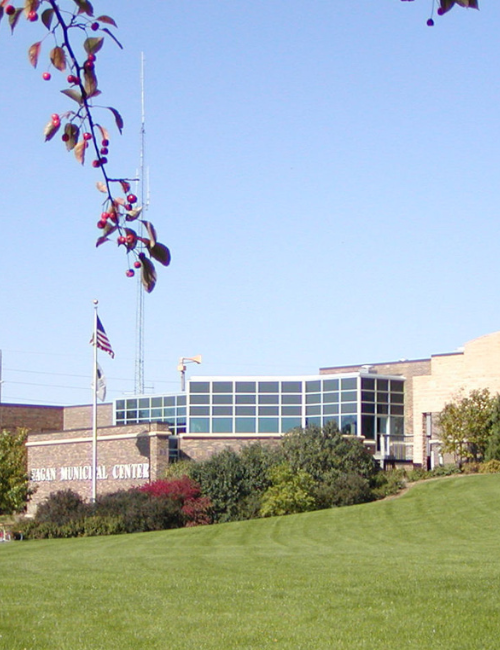
Evaluating a potential place to live is an important decision, and understanding neighborhood safety plays a key role in that process. Eagan, Minnesota, offers a range of neighborhoods, each with its own unique safety dynamics. This guide highlights both the most desirable and the more concerning areas, complete with detailed crime maps and current statistics to give you a clear picture of what to expect. By examining recent crime patterns and overall safety indicators, you’ll gain valuable insight to help you make a confident, informed choice about relocating. Discover which neighborhoods provide peace of mind and which may deserve closer consideration, especially if you’re also exploring options like working with cash home buyers in Eagan and surrounding Minnesota cities as part of your transition.

Best Neighborhoods in Eagan, MN
Overall, Eagan is widely regarded as a safe and family-friendly suburb of the Twin Cities with low crime and strong community appeal. Many residents feel very safe in their neighborhoods during the day and appreciate the well‑rated safety services and community policing efforts.
1. Cliff Lake & East Eagan
- Why it’s great: Upscale homes, scenic lake views, and access to parks and natural areas like Lebanon Hills Regional Park.
- Who it’s best for: Families or professionals who want amenity‑rich living and a strong community feel.
2. Lexington Pointe & Blackhawk Lake
- Highlights: These neighborhoods offer a mix of higher‑end homes with good access to schools and shopping.
- Walkability: Moderate; more suburban feel than urban.
3. Wildung West
- Features: Newer development with larger homes and more modern design.
- Best for: Buyers who want updated properties with newer construction.
4. Downtown Eagan & Hawthorne Woods
- Why it’s appealing: Downtown has walkability, restaurants, and local shops; Hawthorne Woods is quieter with family homes.
- Good for: Young professionals (Downtown) and families (Hawthorne Woods).
Central & West Eagan – Solid Value Picks
- These areas offer good schools, more affordable homes than the premium zones, and proximity to shopping and highways.
- Great for first‑time buyers and families looking for value.
Areas Viewed as Less Desirable (Per Locals and Data)
It’s important to note that Eagan as a whole is statistically safer than many cities, but within the city, there are areas that locals sometimes consider less desirable, mostly due to housing type, affordability, or proximity to busy corridors.
Northwest & Northern Eagan
- Notes: Some data show a higher incidence of overall crime counts in these parts of the city compared with East Eagan.
- Local insight: These areas, particularly near major roads, are seen as more average than risky, but might not be top picks for families prioritizing quiet, suburban living.
Wescott Apartments & Yankee Doodle Area (Local Forum Opinions)
- Reddit and City‑Data forums mention that rental complexes around Yankee Doodle Rd and Coachman Rd have historically been perceived as areas with more issues compared to others.
- That said, users often clarify these places are still generally safe compared to large cities; they’re just lower‑income or more renter‑dense pockets rather than “dangerous.”
Key Highlights
- Eagan, MN, is recognized for its low crime rates and strong police-community partnerships.
- Crime maps and statistics reveal Eagan’s overall low violent crime rate compared to national averages.
- The Eagan police utilize advanced technology and community engagement to enhance safety efforts.
- Neighborhood watch programs and socio-economic resources contribute to Eagan’s low crime environment.
- Total crime statistics guide resource allocation and community engagement initiatives in Eagan.
Understanding Crime in Eagan, MN
Eagan, MN, is generally a safe place to live; however, like any urban area, it does experience some crime. Analyzing various types of crime can help identify areas of Eagan with heightened concerns about safety and community well-being. The city takes pride in its efficiently structured police force, which plays a significant role in maintaining low crime rates. Individuals residing in Eagan, MN, can gain valuable insights into the community by examining comprehensive crime statistics and up-to-date crime maps. This not only allows you to assess the level of crime in the area but also helps identify neighborhoods that may be more susceptible to specific types of crime.
Eagan Crime Statistics Overview
Eagan, MN, has lower crime rates than other cities in Minnesota. Exploring crime statistics provides us with a comprehensive picture of Eagan’s safety landscape. The total crime rate includes all types of crime, which are divided into categories such as property crime and violent crime. The data show that, while some neighborhoods have a higher crime rate, the overall crime rate remains lower than the national average. Eagan crime maps highlight these statistics even more, indicating where safety efforts should be prioritized. Researchers examine these statistics for patterns, noting whether weekends or weekdays see increased activity. Eagan’s total crime statistics also reveal where police resources are allocated. Analyzing these crime statistics reveals that certain areas in Eagan may require increased community awareness and support. However, it is important to note that this data does not provide a complete picture without context. While comprehensive crime statistics provide valuable insights, they are influenced by a number of factors, including socioeconomic status, community programs, and the effectiveness of the Eagan police force. When reviewing crime statistics, one thing that stands out is that Eagan has a lower rate of violent crime than the national average. This suggests that while property crimes are a concern, the immediate safety risk to individuals may be less serious. Eagan residents benefit from ongoing crime-reduction efforts, which focus on community policing strategies and engagement initiatives to reduce overall crime rates over time. Furthermore, Eagan’s community ties contribute significantly to its low crime rates, with neighborhood watch programs and community events fostering a stronger sense of safety. Crime maps are essential to these efforts because they provide a visual representation that helps identify trends and problem areas, allowing for targeted interventions.
The Role of Eagan Police in Community Safety
The Eagan Police Department is critical to maintaining community safety and reducing overall crime in the city. The police established a visible precedent for crime prevention in Eagan, Minnesota, by focusing on community policing and proactive strategies. One strategy is to strengthen police-community relationships and encourage public participation in safety initiatives. This collaborative spirit is critical to effectively addressing crime and improving overall safety in Eagan. Police hold regular meetings and forums with residents to discuss crime statistics and provide a platform for feedback and community-driven action. In addition, to keep up with changing crime trends, the police use advanced technology and crime mapping. They use these maps to identify crime hotspots and develop targeted patrol strategies that effectively disrupt potential crime patterns before they escalate. An active police presence in high-crime areas demonstrates the department’s commitment to lowering overall crime rates. Eagan police have demonstrated their ability to adapt and refine their strategies, using comprehensive crime statistics to direct resources where they are most needed. Effective communication channels between police and the community foster mutual trust, which is essential for encouraging reporting and reducing latent crime types that might otherwise go undetected. Another important aspect of the police’s role is public education campaigns that raise awareness of crime-prevention techniques and personal safety strategies that empower residents. Furthermore, specialized units within the Eagan Police Department work tirelessly on specific aspects of crime, such as community safety efforts for vulnerable populations. Police collaborations with schools and community organizations broaden their reach, ensuring a more comprehensive safety net throughout Eagan. The relatively low violent crime rates demonstrate the police’s efficiency and responsiveness, making Eagan a safer city for its residents. Finally, this combination of community engagement, technological support, and data-driven strategies solidifies the Eagan Police Department as a cornerstone of community safety.
Exploring Eagan Neighborhoods
Eagan has several neighborhoods, each with unique characteristics that influence its appeal and livability. This analysis examines variations in crime rates across these areas, offering insights into which neighborhoods are safer and how residents can use this information to their advantage. Understanding crime trends and identifying low-crime areas in Eagan not only benefits potential new residents but also supports the community’s ongoing efforts to enhance safety. Recognizing the contributions of Eagan’s diverse neighborhoods to the city’s overall safety and quality of life is essential, particularly for those looking to sell their house fast for cash in Plymouth and other cities in Minnesota as part of their relocation plans.
Crime Rates in Different Eagan Neighborhoods
Different neighborhoods in Eagan, MN have different crime rates. Comprehending crime maps helps visualize crime types and totals in each area. Due to commercial zones and major transit routes, Cedar Grove and Cliff Lake may have higher crime rates than Lebanon Hills. Property crime, such as vandalism and burglary, may increase in Eagan’s crime hotspots due to higher foot traffic and commercial activity. Residents can pinpoint neighborhoods at risk of specific crimes using crime maps. Community members can organize and reinforce safety measures. Eagan has a low violent crime rate, but commercial neighborhoods report more theft and other non-violent crimes. Analysis of crime helps the community allocate resources and tailor prevention strategies to each neighborhood. Interpreting neighborhood-specific data is important because local economic conditions affect crime rates. Police and the community must adapt to changing crime patterns as Eagan develops. Neighborhood association-law enforcement collaboration helps manage Eagan crime. Sharing peacekeeping forum data and crime map data can help adjust preventive measures to keep neighborhoods peaceful. Neighborhood watch programs help keep crime rates low by emphasizing community strength. These programs encourage residents to actively discuss safety and report suspicious activity. Such programs empower communities like Cedar Grove to protect their surroundings, reducing reported incidents. Eagan residents can make informed decisions and feel safe in its vibrant neighborhoods by understanding crime rates holistically.

The Safest Suburbs Near Eagan
People who want to live in a safe place should consider Eagan, MN, one of the safest suburbs in the region. Residents feel secure because the city actively engages the community, prevents crime through multiple strategies, and efficiently uses police resources. By examining why Eagan maintains such low crime rates and stands out as a model for suburban safety, we can see how it sets a standard others strive to follow. Learn about what makes Eagan’s neighborhoods great places to live and safe, and discover here’s how Henry Home Buyer can help when navigating your next move.
Factors Contributing to Eagan’s Low Crime Rates
Eagan, Minnesota, maintains impressively low crime rates thanks to strong partnerships among residents, law enforcement, and the city’s stable socioeconomic environment. Active neighborhood watch programs and ongoing participation in citywide safety discussions keep residents informed and aware of local crime trends, allowing potential issues to be addressed quickly. The Eagan Police Department supports this effort with high-visibility patrols and proactive community engagement, such as workshops and public forums, which foster trust and open communication. This mutual trust encourages residents to report concerns without hesitation, lowering the possibility of undetected or escalating crime while increasing the overall sense of security in the community.
Furthermore, Eagan’s strong economic foundation and focus on education contribute significantly to reducing crime. Higher income levels and quality schools support well-maintained neighborhoods, investment in home security, and a culture of personal and community safety. Thoughtful urban planning, including well-lit streets, pedestrian-friendly layouts, maintained public spaces, and secure transit areas, naturally deters criminal activity by increasing visibility and community engagement. Close collaboration between schools and local law enforcement ensures long-term safety through youth education programs that promote responsibility and legal awareness. Together, these coordinated efforts help maintain Eagan’s reputation as one of Minnesota’s safest and most desirable suburbs, and Henry Home Buyer can help you navigate your next move in the area with confidence.
Analyzing Total Crime in Eagan
Eagan, Minnesota, is a vibrant community known for taking a proactive approach to safety and comprehensive crime management. This section investigates how overall crime statistics affect the city’s neighborhoods, interpreting various crime rates and their implications. We gain insight into the distribution of property and violent crime by examining areas highlighted in crime maps, revealing patterns that necessitate targeted interventions by both community members and police. Understanding these dynamics not only helps to promote community safety but also serves as a guide for effectively addressing specific crime types.
The Impact of Total Crime Statistics in Eagan, MN
Total crime statistics shape Eagan, MN. Understanding these statistics allows community members and law enforcement to target neighborhood safety improvements. Eagan’s comprehensive crime data, from targeted reports and crime map analyses, strongly suggests that, despite low overall crime rates, certain areas need attention. Crime statistics show that property crime is more common in commercial areas and violent crime is lower. For resource allocation, Eagan police use crime map data extensively. These maps show crime trends spatially, helping authorities identify hotspots that need more patrolling and intervention. Integrating such data with community-driven initiatives creates a cohesive total crime strategy. Neighborhood watch programs use these insights to promote vigilance and preventive measures aligned with observed patterns, thereby amplifying community involvement. Residents and law enforcement discuss crime rates and socioeconomic factors that affect crime types. In areas with high property crime, economic activity attracts people, which leads to theft and vandalism. Crime statistics encourage residents and police to improve security and community engagement at all levels. Advanced technology captures real-time data to support Eagan’s safety strategy and provide dynamic insights into crime trends. These details help communities understand how total crime affects them and tailor safety programs to reduce risks. Neighborhoods can adapt their safety strategies to address current and emerging threats using crime maps. Total crime statistics also encourage residents to discuss community safety, fostering accountability. This community effort keeps Eagan safer, emphasizing the importance of data-driven law enforcement. Eagan shows how informed communities can use total crime statistics to assess current conditions and build sustainable safety and security through cooperative measures.
FAQs:
What makes Eagan, MN, a safe place to live?
Eagan, MN, is known for its low crime rates compared to national averages, strong police-community partnerships, and community policing strategies. These elements contribute significantly to its reputation as a safe city.
How do crime maps help in understanding neighborhood safety in Eagan?
Crime maps provide a visual representation of crime trends and hotspots in Eagan, enabling law enforcement and the community to focus on areas that require more attention. These maps are used for formulating targeted patrol strategies and neighborhood safety plans.
What role does the Eagan police force play in maintaining low crime rates?
The Eagan police force employs proactive community policing and advanced technology to monitor crime trends. Their collaboration with residents through regular forums and public safety programs helps maintain low crime rates throughout the city.
Which neighborhoods in Eagan are considered the safest?
Neighborhoods such as Eagan Heights and Stonebridge are often highlighted as safer areas due to their residential nature and lower crime statistics. Robust community ties and effective neighborhood watch initiatives play a crucial role in maintaining their safety.
How does community involvement impact safety in Eagan?
Community involvement in Eagan significantly impacts safety through active participation in crime prevention programs, neighborhood watch initiatives, and collaboration with law enforcement. Such engagement helps sustain low crime rates and enhances the overall security of the area.
| Crime Types | Affected Areas | Resource Allocation | Community Engagement | Technological Initiatives |
|---|---|---|---|---|
| Theft, Assault, Vandalism | Downtown, Residential Neighborhoods | Increased Patrols, Specialized Task Forces | Neighborhood Watch Programs, Public Forums | Surveillance Cameras, Crime Mapping Software |
| Burglary, Drug Offenses | Suburban Areas, Business Districts | Targeted Interventions, Drug Rehabilitation Services | Workshops, School Engagements | Predictive Policing, Community Alert Systems |
This table provides a comprehensive overview of how Eagan utilizes crime statistics to address community safety effectively, highlighting the synergy between data-driven insights and grassroots involvement.
Helpful Eagan Blog Articles