Is Plymouth, MN, Safe? A Local’s Guide to Crime, Community, and Quality of Life
Safety isn’t just a box to check when you’re considering where to live or whether to sell your home. It’s a sense of calm. It’s comforting to walk your dog at sunset, watch your kids ride their bikes around the neighborhood, or leave town knowing your home is safe.
Where Is Plymouth, MN, and Why Do People Move There?
Plymouth is a suburb of Minneapolis that is roughly 12 miles from the city center. Because it has the right mix of suburban peace and city convenience, it is always rated as one of the greatest locations to live in Minnesota.
Residents are drawn to Plymouth for:
- Strong schools
- Abundant parks and trails
- Stable property values
- A family-friendly atmosphere
- A reputation for safety
But facts should always back up reputations.
Comparison with Minneapolis Crime Rates
Comparing Plymouth, MN, and Minneapolis shows how safety works in the suburbs and cities. Crime rates are higher in Minneapolis than in Plymouth since it is bigger. Data on violent and property crimes reflect this difference. There are more assaults and robberies in Minneapolis than in Plymouth, which has a lower crime rate.
People who live in Plymouth like living in a city with much lower crime rates than the rest of Minnesota. Neighborhood watch and community policing have made Plymouth safer. Plymouth is better than Minneapolis because there are fewer crimes per person, as shown by crime maps. Plymouth is a good place to live if you like safe areas.
Plymouth inhabitants experience less stress and are less likely to be victims of crime than people who live in Minneapolis. Plymouth is even more appealing as a busy suburb with safety and convenience because it has a lot in common with other places. Minneapolis has the same problems as bigger cities, but Plymouth is still safe.
Because it is safe and has low crime rates, Plymouth is a great place for families and people who want to avoid living in the city. It’s clear from Plymouth that crime rates can go down in the suburbs, making them a better and more desirable place to live.
At Henry Home Buyer, we buy houses in Minneapolis and other areas, making the selling process fast, simple, and stress-free.
Plymouth, MN Crime Rate: What the Data Really Shows
Plymouth’s crime rate is much lower than the national and state norms, especially when it comes to violent crime.
Violent Crime
There aren’t many violent crimes in Plymouth. Assault, robbery, or significant harm happens much less often than in big cities. A lot of people who live here don’t see violent crime for years at a time.
Property Crime
Plymouth, like most suburbs, has some property crime, mostly package theft, car break-ins, and garage theft. Most of the time, these events are opportunistic rather than planned or violent.
Key takeaway: Plymouth’s crime rate is typical of a well-run, high-income suburb with proactive enforcement.
Overview of Plymouth, Minnesota’s Crime Statistics
Plymouth, MN, has lower crime rates than many other Minnesota cities, which gives residents and potential homebuyers a unique take on crime statistics that they prefer. Crime maps, crime grades, and other factors show that the city is very safe. Plymouth is safe since its crime rate is far lower than the national average. Plymouth’s crime maps reveal that violent crimes like assaults are far lower than the national average. This means that the city is calm. Property crimes like theft and burglary are also low.
Plymouth has a low crime rate compared to other cities in Minnesota, notably bigger ones where crime is higher. This classification is based on how involved the community is and how well the law is enforced in the area. People who care about their safety like Plymouth because of its low crime rate and proactive measures to keep it that way. Crime grade indices say that Plymouth is safer than its size, which is something that regional safety assessments often talk about. Looking at these numbers shows how much Plymouth cares about safety and hospitality.
Neighborhood Safety: Is Plymouth Safe Everywhere?
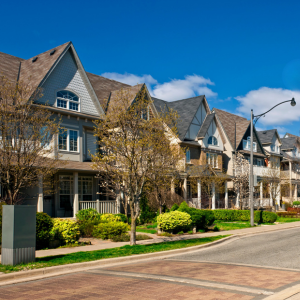
Plymouth is mostly safe, although individual neighborhoods have their own unique feel.
Highly Regarded Areas
- Wayzata School District neighborhoods
- Areas near Medicine Lake
- Residential zones with cul-de-sacs and HOA oversight
These areas tend to have:
- Lower crime reports
- Higher owner-occupancy rates
- Strong neighborhood engagement
Busier Corridors
Areas that are near major roadways or business districts may have more minor property problems, but they are still safe by metro standards.
If you’re thinking about selling your house in a community that seems to be changing, you can sell your home for cash in Plymouth and nearby cities to a local buyer like Henry Home Buyer, which can help you avoid confusion and long waiting periods.
Police Presence and Community Involvement
Plymouth’s safety is no accident.
- A well-funded local police department
- Community outreach programs
- Neighborhood watch participation
- Fast emergency response times
People generally say that police are visible, friendly, and proactive, which develops trust and stops crime before it happens.
Parks, Trails, and Public Spaces: Safe and Well-Maintained
Plymouth boasts:
- Over 1,700 acres of parkland
- Miles of walking and biking trails
- Family-friendly playgrounds and lakes
These areas are well-lit, clean, and used often, which is an important but often overlooked feature in community safety. Crime is less likely to happen in busy public places, and people are more likely to be responsible.
Schools and Youth Safety
Families always say that schools are a big reason they moved to Plymouth.
- High graduation rates
- Strong academic performance
- Active parent involvement
Safe schools not only keep kids safe, but they also make neighborhoods more stable and keep property values high. This makes Plymouth a good long-term investment.
Living in Plymouth, MN: Quality of Life Beyond Crime Stats
It’s not just about crime rates; it’s also about how safe an area seems.
Residents describe Plymouth as:
- Quiet but not boring
- Friendly without being intrusive
- Ideal for families, professionals, and retirees
That emotional safety is just as important as the numbers.
Analyzing Property Crimes in Plymouth
Plymouth, MN, is known for having low crime rates, yet property crimes are still a problem since they affect the area’s safety and economic stability. The study of property crimes shows the many kinds that happen in the suburbs and how they affect the people who live in Plymouth. Knowing about these crimes helps to come up with good ways to stop them and get everyone in the community to work together. As locals become involved, the local police’s efforts and programs to stop these kinds of events become more effective, helping to keep Plymouth’s reputation for safety.
Types of Property Crimes and Their Impact
Burglary, theft, motor vehicle theft, and vandalism are all common property crimes in Plymouth. Each crime happens at different rates and has different effects on the community. Residents feel less safe because of burglaries, which are often caused by the chance to steal. Theft, which may be anything from stealing someone’s identity to stealing from a store, is a big problem that hurts both the economy and people’s feelings. Even while car theft is less widespread, it is still a costly problem. Vandalism has several effects. It not only damages private and public property, but it also makes neighborhoods seem worse, which can lower property prices and make residents less happy. Property crimes in Plymouth have effects that go beyond the victims; they also damage the overall sense of safety in the city.
People who live in the area think about these kinds of crimes in light of the fact that crime rates are lower than the national average and in other parts of Minnesota, including Minneapolis. The people who live here are more alert, and the community takes proactive steps to protect itself from possible attacks because of this local context. People usually think that Plymouth’s suburban setting means that crime is less visible; however, property crimes make this image less safe than it seems. Using tools like crime maps to look at Plymouth’s crime rates over time can help find patterns and hotspots.
Plymouth’s operational methods against property crimes, like more neighborhood watch programs and community policing, have been beneficial in stopping these crimes from happening more often. These programs give people more authority, make them more aware of their surroundings, and encourage them to follow safety rules. Getting information about these kinds of property crimes shows not just how they affect people right away, but also how they affect the community’s sense of safety and property values over time. Plymouth’s capacity to deal with and reduce property crimes is important for keeping its reputation as a safe place to live and attracting people who want to live in crime-free suburbs. This makes Plymouth stand out as a safe place for families and businesses, which makes it even more appealing than places with higher crime rates.
Strategies to Prevent Property Crimes
Plymouth has implemented a variety of strategies aimed at preventing property crimes and ensuring the safety of the community. These approaches are specifically aimed and centered on the community, highlighting the importance of teamwork between local officials and community members. A key approach is to improve neighborhood watch programs, encouraging residents to engage actively and remain alert within their communities. These programs are essential, providing a systematic method for tracking and deterring property crimes.
Technology is crucial in implementing these prevention strategies. Combining security cameras with community crime maps empowers residents and law enforcement to pinpoint and track crime hotspots with greater efficiency. Data-driven strategies allow for a more effective distribution of police resources, concentrating efforts on regions that are particularly vulnerable to property crimes. Leveraging big data analytics enables the forecasting of crime patterns, promoting proactive strategies rather than merely responding after the fact. Plymouth’s embrace of technological solutions showcases its dedication to forward-thinking strategies in crime prevention.
Moreover, successful community policing approaches have been put into action to build stronger relationships between law enforcement and the community, boosting trust and collaboration. Officers engage with community members to understand their concerns, enhancing their approachability and accessibility during critical moments. Regular safety seminars and public safety workshops are held to inform residents about personal and residential security measures, empowering them to take an active role in preventing property crimes.
Additionally, efforts like enhancing lighting in public spaces and encouraging a ‘see something, say something’ mindset are subtle but effective approaches. Such initiatives not only discourage would-be offenders but also instill confidence in the community, fostering a more secure atmosphere for everyone. The joint initiatives of community organizations, local businesses, and residents play a crucial role in these strategies, forming a cohesive response to property crimes.
Plymouth’s commitment to sustainable safety solutions keeps it a highly sought-after suburban area, consistently showcasing crime rates that are impressively lower than many national averages. The success of these property crime prevention strategies in Plymouth hinges on their flexibility and focus on the community. Plymouth is actively evaluating crime risks and implementing preventive strategies, which strengthen its safety protocols and mitigate the effects of property crimes. This enhances the city’s image as a safe place to reside, showcasing the commitment to the safety and well-being of every resident. Plymouth is dedicated to fostering a safe and inviting environment through ongoing initiatives and robust community engagement.
Real Estate and Safety: How They’re Connected
Safe cities tend to have:
- Strong resale values
- Faster home sales
- More consistent buyer demand
But even in a desirable area like Plymouth, life happens:
- Inherited properties
- Divorce
- Job relocation
- Costly repairs
If selling your Plymouth home the usual way seems too hard, you may bypass renovations, showings, and months of uncertainty by selling it directly to a cash buyer like Henry Home Buyer.
Is Plymouth, MN, Safe for Homebuyers?
Absolutely.
For buyers, Plymouth offers:
- Stability
- Predictable neighborhoods
- Lower long-term risk
Safety keeps demand high for sellers, but time and quality are still important. If your house requires repairs or you want to close quickly and for sure, a cash sale can be the best financial choice.
Final Verdict: Is Plymouth, MN Safe?
Yes, Plymouth, MN, is one of the safest and most stable cities in the Twin Cities metro area.
If you’re moving in or thinking about selling, safety is on your side.
We’re here to help you move forward with confidence. If you’re ready to sell without stress, delays, or repairs, Contact Us at Henry Home Buyer.
FAQs:
Is Plymouth, Minnesota, Safer Than Minneapolis?
Yes. Plymouth has a far lower rate of violent and property crime than Minneapolis.
Are There Places in Plymouth That Aren’t Safe?
No region is thought to be unsafe, but busier business areas may have more petty property crime.
Is Plymouth, MN, a Good Place for Families?
It’s a great place for families because the schools, parks, and community engagement are all quite good.
Does Safety Have an Effect on Home Prices in Plymouth?
Yes, safety helps keep prices consistent and demand from buyers high.
Can I Sell My Plymouth House Quickly Without Fixing It Up?
Yes. Henry Home Buyer buys homes for cash as-is, so there are no repairs or delays.
Helpful Plymouth Blog Articles
- Free Things to Do in Plymouth, MN
- Is Plymouth, MN, Safe?
- Plymouth, MN, Neighborhood Map
- Best Things to Do in Plymouth, MN, with Kids
- Plymouth, MN, Closing Costs Calculator
- Plymouth, MN, Cost of Living
- Plymouth, MN, Property Managers
- Is Plymouth, MN, a Good Place to Live?
- Best and Worst Neighborhoods in Plymouth, MN
- Plymouth, MN, Property Tax Rate Guide